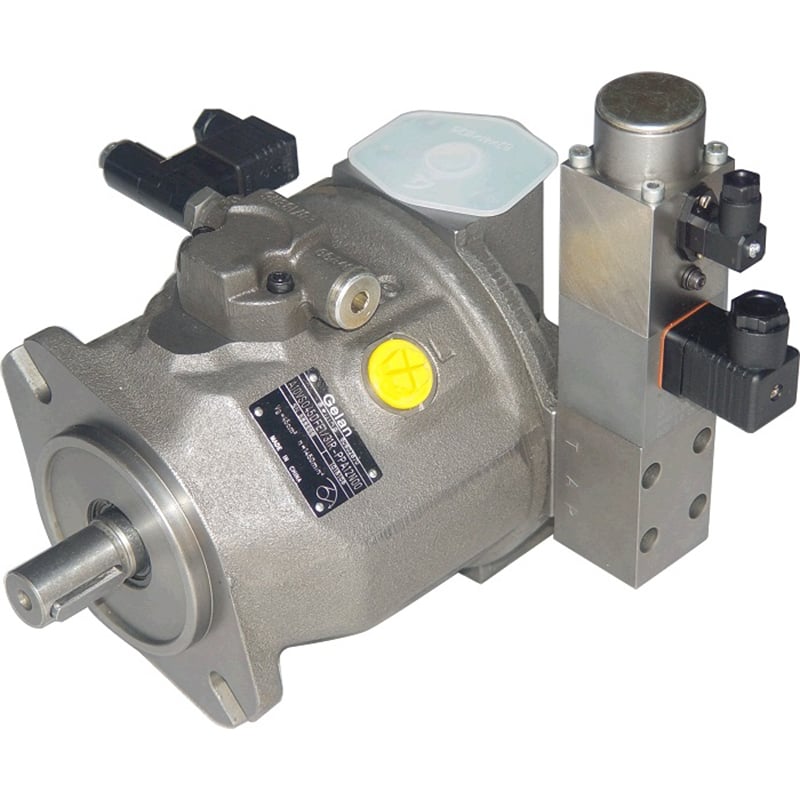
A chemical piston pump is an important tool used to move liquids in many industries. These pumps are designed to handle different types of chemicals, including those that are thick, corrosive, or hazardous. Using a piston to create pressure, these pumps can efficiently move liquids from one place to another. Many businesses rely on chemical piston pumps for tasks like transferring, mixing, or even testing liquids. If your company needs to move chemicals safely and effectively, knowing about chemical piston pumps is a must. Gelan makes high-quality chemical pump that can help your business run smoothly.
When picking a chemical piston pump, think first about what type of liquid you will be moving. Some liquids are thick, while others are thin. For example, if you're moving a thick liquid like syrup, you need a pump with enough power to push it through the pipes. Also, consider whether the liquid is corrosive. If it can eat through materials, you need a pump made from special materials that can withstand the chemical. The size of the pump is also important. A small pump might not be enough for a big job, while a large pump could waste energy on smaller tasks. Check the high pressure chemical pump's flow rate, which tells you how much liquid it can move in a certain time. This is important for making sure your work gets done on time. Another thing to think about is the pump's ease of use. A pump that is easy to set up and maintain can save you time and money in the long run. Don't forget to look at the brand too. Choosing a reliable brand like Gelan means you are likely to get a good product that lasts long. Lastly, think about your budget. Sometimes, spending a little more on a quality pump can save you from bigger problems later on.
Even though chemical piston pumps are very useful, they can have some problems. One common issue is clogging. If the liquid being pumped has solid particles, it can get stuck in the pump. To avoid this, make sure to filter the liquid before it enters the pump. Another problem is leaks. If the pump is not sealed properly, chemicals can leak out. Regularly checking the seals and replacing them when needed can help prevent leaks. Overheating is also a concern. If the pump runs for a long time without a break, it can get too hot and stop working. To prevent this, give the pump regular breaks and monitor its temperature. Some people forget to maintain their pumps, which can lead to bigger issues down the road. Setting up a regular maintenance schedule can help keep the pump in good shape. Lastly, using the pump for a different type of liquid than it was designed for can cause problems. Always check the specifications of the pump to ensure it matches the liquid you want to pump. Gelan provides guidance and support, so if you ever have questions, reach out to them for help. This will keep your pump running well and your business operations smooth.
Chemical piston pumps are special machines designed to move liquids, especially chemicals, from one place to another. One of the main benefits of using chemical piston pumps, like those made by Gelan, is their ability to handle thick and heavy liquids. Some liquids can be very thick, like syrup, and regular pumps might struggle to move them. Piston pumps are strong and can push these thick liquids easily. This means that businesses can transfer large amounts of chemicals quickly without worrying about the pump getting stuck or breaking down. Another benefit is that chemical piston pumps are precise. When you need to move a specific amount of liquid, these pumps can measure exactly how much is transferred. This is very important in industries where getting the right amount of a chemical is necessary for safety and effectiveness. Using Gelan’s chemical piston pumps means that companies can be sure they are using the right amount every time. Additionally, these pumps are built to last. They are made with strong materials that can handle the tough conditions of moving chemicals. This means they don't break down easily and can work for a long time, saving companies money on repairs and replacements. Lastly, chemical piston pumps are designed to be safe. They can handle dangerous liquids without leaking. This is important because leaks can be harmful to people and the environment. Using Gelan's industrial chemical pump helps companies protect their workers and keep the environment safe while moving bulk liquids.
Even the best machines can have problems sometimes, and chemical piston pumps are no exception. If you use a Gelan chemical piston pump and it stops working, there are some common issues you can check. First, make sure the pump is getting power. Sometimes, the pump may not turn on because it is unplugged or there is a blown fuse. Check the power source and make sure everything is connected properly. If the pump is running but not moving any liquid, it could be due to a blockage. This means something is stuck inside the pump. To fix this, you can turn off the pump and check the inlet and outlet for obstructions. Remove any dirt, debris, or clogs you find. Another common problem is that the pump may be making strange noises. If you hear unusual sounds, it could mean that something is wrong with the pump's parts. It might need lubrication, or some parts might be worn out and need to be replaced. Regular maintenance is key to keeping your Gelan pump working well. You should also check for leaks. If you see any liquid escaping from the pump, it is important to address it quickly. Leaks can be dangerous, especially when working with chemicals. Inspect the seals and connections to ensure everything is tight. If you find a damaged seal, it will need to be replaced to prevent leaks. By following these troubleshooting steps, you can keep your chemical piston pump in good shape and ensure it works effectively for transferring liquids.
Copyright © Beijing Gelan M&E Technology Co., Ltd. All Rights Reserved.
 EN
EN