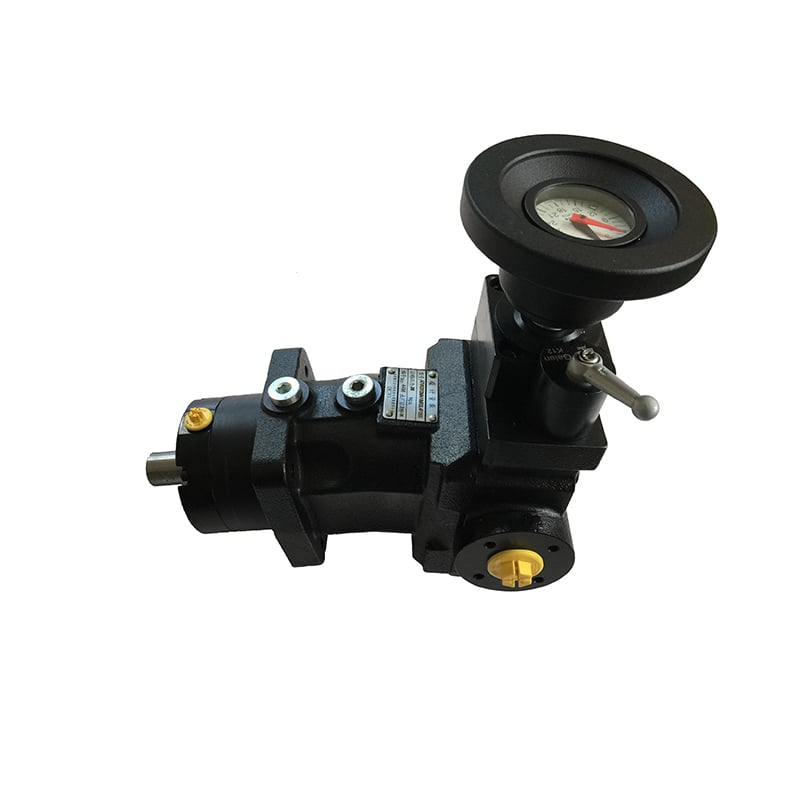
Plunger pump for displacement of fluid Plunger pumps are used in many applications to move fluids. The pumps work by using a plunger to create the pressure that pushes the fluid along. As with any machine, however, plunger pumps require regular maintenance to ensure their continued smooth, efficient operation. A lack of service can result in the pump failing, expensive repairs and downtime. Here at Gelan we know the importance of looking after your plunger pumps so they perform at their best.
Maintaining Plunger Pump Plunger pumps don't take a lot of work to maintain, but it's work that needs to be done. It can help pinpoint problems before they become major. By inspecting the pump’s components (plunger, seals, valves, etc.) many of the signs of wear and tear can be detected sooner. She added that this stops larger problems, like leaks, or the pump breaking altogether. Routine maintenance also helps to ensure that the pump runs efficiently, is consuming less energy and cutting your ownership costs.
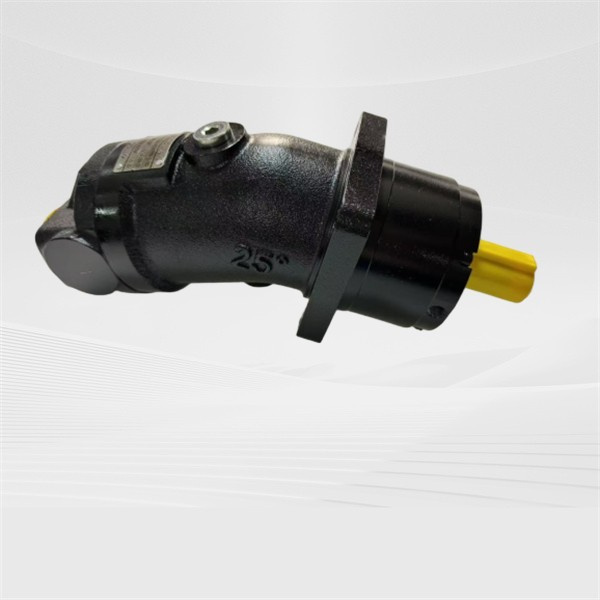
It doesn’t need to cost a small fortune to extend the life of your plunger pump. Taking easy steps — including keeping the pump free of dirt and debris — can make a huge difference. Also, the right kind of oil and replacing it according to the manufacturer’s schedule can prevent overheating and wearing on the pump’s parts. Gelan suggests devising a regular maintenance schedule according to how frequently you use the pump. That keeps everything going straight without costing too much.
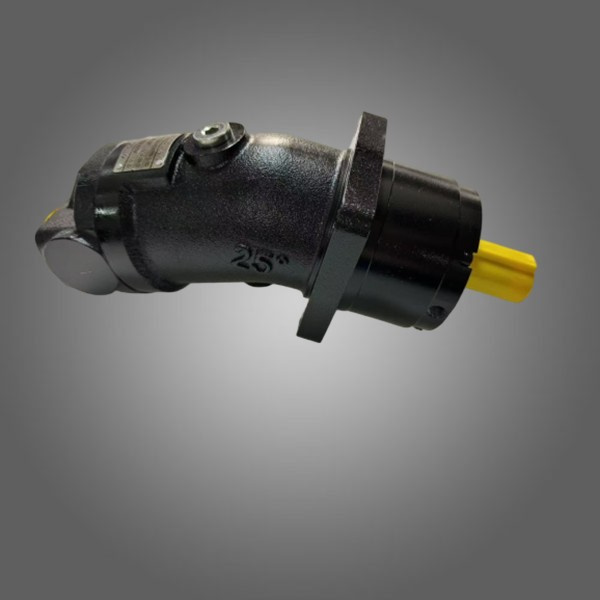
Experts in the industry share some advice to keep your plunger pump running in top shape. For one, always adhere to the manufacturer’s recommended maintenance guidelines. Finally, ensure that whoever operates the pump is trained on how to use it and perform simple tasks, like maintenance. That includes training them to listen for odd banging or to look for leaks. Finally - replace parts with quality parts. Less expensive options may save money in the short term but will result in more frequent failures and replacements.
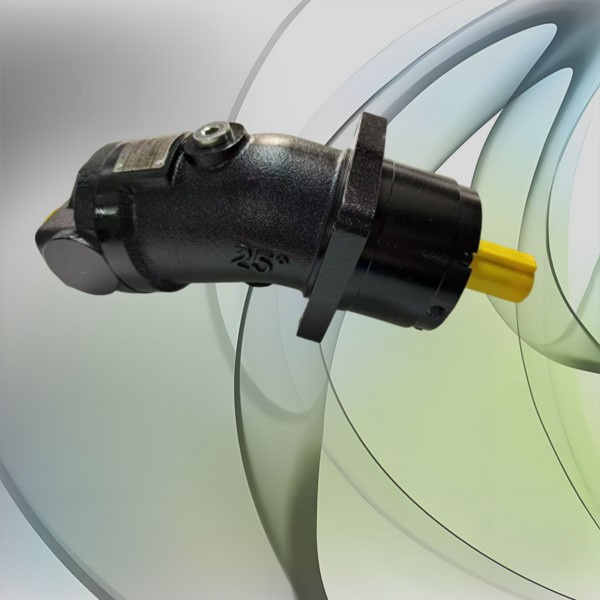
The plunger pump is not immune from leaks, seal wear, and valve failure. A lot of these can be avoided by regular checks and servicing. By inspecting the pump’s elements for wear and damages, and replacing parts as necessary, these issues can be avoided. Also, it is necessary to make sure the fluid that is to be pumped is clean and free of any particles which could clog or damage the pump.
Copyright © Beijing Gelan M&E Technology Co., Ltd. All Rights Reserved.
 EN
EN