EN
EN
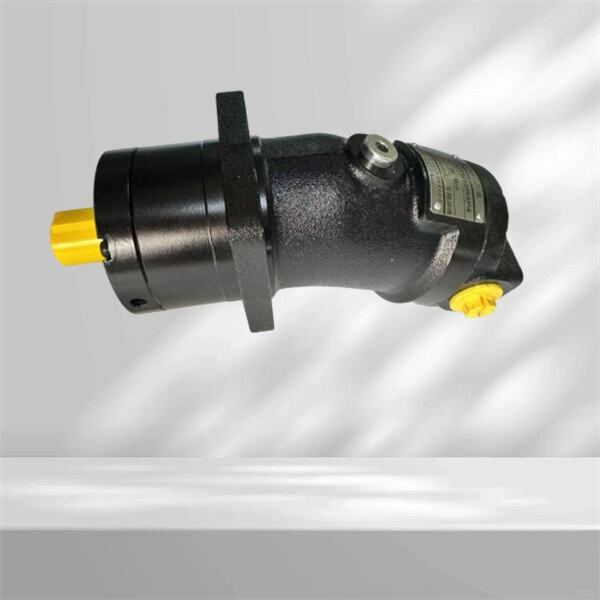
Chemical pumps are like special devices that helps move liquids, specially the thick ones called high viscosity fluids. These fluids can be sticky, heavy, or hard to flow. Imagine trying to pour honey; it not easy because they thick. For industries that use these heavy liquids, having right pump is super important. Gelan knows a lot about making chemical pumps that strong and smart enough to handle these tough jobs. Our pumps built to last and can move all sorts of fluids, making them great choice for companies dealing with sticky materials every day.
How to Choose Right Chemical Pump for Viscosity Needs
When picking a chemical pump, you got to think about what kind of liquid you working with. Different liquids have various thickness levels. For example, oil thinner than molasses. If your liquid very thick, you need pump that can handle it. Some pumps has special parts, like bigger pipes, to let thick liquid move easy. Also, check the pump power. Stronger pump can push thick liquids better than weak one. Another thing consider is material of the pump. Some materials works better with certain chemicals. If moving something acidic, you need pump made from materials that won’t damaged. At Gelan, we offer various types of pumps that handle different viscosities. It also smart to think how often you will use the chemical pump. If for big job every day, you want something durable. On other hand, for small project, might not need strongest pump. It all about matching pump with job. Look for pumps with adjustable settings too. This helps change flow speed depending what you need. Lastly, always read reviews or ask other companies what pumps they use. Learning from others can help make best choice.
Where to Find Reliable Suppliers for Chemical Pumps
Finding good supplier for chemical pumps important so you get right equipment without hassle. Start by looking online for companies specialize in pumps. Websites has lots info about what they sell, including prices and features. You can check reviews from customers to see if happy with purchases. Don’t forget compare prices. Some suppliers offer discounts if buy in bulk, which saves money. Gelan have friendly team that can answer questions about our pumps. You also can attend trade shows or industry events. These great places to talk suppliers and see pumps in person. It like business shopping! You can touch products which helps understand better. If prefer talk to someone, call different suppliers and ask about products. Good supplier listens to needs and helps find right pump. Another tip, look for local suppliers. They provides faster delivery and might offer support after buy. Building good relationship with supplier can lead better service and maybe better prices over time. Make sure supplier you choose has good reputation, and don’t afraid to ask references to see how they helped others.
Why Chemical Pumps Are Ideal for High-Viscosity Fluids
When it comes to moving thick liquids, also known as high viscosity fluids, chemical pumps are superheroes in industrial world. So, what makes chemical pumps so perfect for handling these sticky substances? First, they designed to deal with liquids not easy to move. High viscosity fluids, like honey or thick oil, can be tough to pump through regular equipment. But chemical pumps built with special features to work better with thick fluids. For example, they usually have strong motor that creates enough power to push heavy liquid through pipes. This important because if pump not strong enough, fluid won’t move. Another great thing about chemical pumps is ability to adjust to different fluids. Some pumps has adjustable settings, means they can change speed and pressure based on how thick liquid is. This feature helpful because ensures pump works efficient, saving time and energy. Gelan, our trusted brand, focuses on creating chemical pumps reliable and effective for this. We understand businesses need keep operations smooth, and using right pump makes difference when dealing with high-viscosity fluids. By choosing Gelan pumps, companies can confident they getting product designed to handle tough liquids, making work easier and more efficient.
How to Optimize Chemical Dosing Pump Systems for Thick Liquids
To make sure your chemical dosing pump system works well with high viscosity fluids, there several important steps you can take. First, essential to choose right pump for job. Not all pumps same, and selecting one designed for thick liquids helps a lot. Look for pumps with features like strong motor and adjustable settings, like those from Gelan. Next, ensure pipes and valves in system suitable for high viscosity fluids. Using wider pipes can reduce pressure and allow thick liquid flow easier. In addition, make sure no sharp turns in pipes, as these slows flow and creates blockages. Sometimes, heating fluid before pumping makes big difference. Warmer liquids usually less thick, so easier to pump. If possible, try warm the fluid slightly before it enters pump. This useful in cold environments where fluids thicken. Lastly, regular maintenance crucial for pumping system. Check pump and system regularly to ensure everything works correct. If notice leaks or strange noises, might be time for repairs. With this, you can optimize system and handle high viscosity challenges, keeping operations smooth.
Troubleshooting Common Issues in Chemical Pumps Handling High-Viscosity Fluids
Even with best equipment, problems can pop up when using chemical pumps for high viscosity fluids. Knowing how to troubleshoot these issues essential for keeping things running smooth. One common problem is pump might not move liquid at all. This happens if fluid too thick, or pump not strong enough. If encounter this, first check if chemical transfer pump right type for liquid. If not, you may need switch to suitable one, like Gelan offers. Another problem could be pump making loud noises. This indicate something wrong inside, such as blockage or worn part. If hear unusual sounds, good idea to turn off pump and inspect. Look for wear and tear, and replace damaged parts if necessary. Additionally, keep eye out for leaks in system. Leaks leads to loss of pressure, which makes pump hard to work effective. If find leak, fix it right away. Lastly, if flow rate lower than expected, there may issue with fluid viscosity or pump settings. Double-check thickness and ensure settings correct for that viscosity. By knowing how troubleshoot common problems, you can keep Gelan chemical pump performing best, even with high viscosity fluids.
Table of Contents
- How to Choose Right Chemical Pump for Viscosity Needs
- Where to Find Reliable Suppliers for Chemical Pumps
- Why Chemical Pumps Are Ideal for High-Viscosity Fluids
- How to Optimize Chemical Dosing Pump Systems for Thick Liquids
- Troubleshooting Common Issues in Chemical Pumps Handling High-Viscosity Fluids