EN
EN
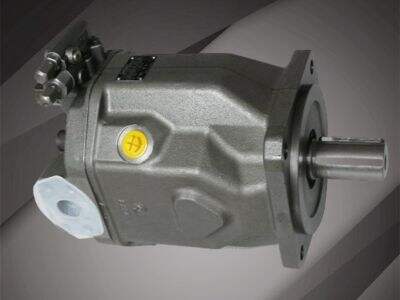
Piston pumps are machines that can move liquid or gas from one location to another. The product find its extensive applications in various industries such as construction, automotive and manufacturing. Piston pumps employ a piston, which is not a moving part on the inside of cylinder. As the piston type motor goes up and then down, it generates a vacuum, drawing liquid in and pushing it out. This is a fast and reliable process useful in a variety of applications. Our company is a professional design, produce piston pump high-tech enterprise like Gelan. We are proud to produce pumps with the utmost quality your clients can depend on for the work they need.
Piston Pumps and How They Benefit Wholesale Buyers
Piston pumps are interesting in that they have a very basic design, but can be very effective. A piston reciprocates in a cylinder. When the piston travels downward, it leaves a void that draws in the liquid. As it goes upward, it pushes the liquid out. This makes them excellent for moving hole fluid or high-pressure gasses. Piston Pumps are long-lasting and durable so wholesale buyers typically appreciate them. They are as well low maintenance and therefore they have less down time associated with them for businesses. For example, if a factory relies on a piston pump to transfer oil they need it to work as expected and not require constant repair. Gelan also offers durability with these pumps, so you can use them for long term or heavy work. Buyers will feel at ease knowing they are purchasing a good product. they are also available in different sizes and various hoisting capacities that can suit your preferences. Gelan have a solution for both the small workshop through to large factories. That's why many wholesale professionals prefer piston pumps — they offer both flexibility and reliability. And they can save money in the long run, too, as their efficiency can contribute to energy bill savings.
The Efficiency And Performance Of Piston Pumps Vs. Other Pump Designs
If you are comparing pump types, piston pumps clearly offer both efficiency and performance. Whereas other pumps contain spinning parts, the motion of a piston pump is linear. That is, they can withstand greater pressures and tend to work more efficiently in transferring liquids. For instance, if you're looking at a piston pump in comparison to a centrifugal pump, with more viscosity the piston pump is able to move it better. This is of importance in oil or slurry industries. Gelan’s hydraulic piston pump are built for these tough applications and then some, without dropping power.
Common Problems Encountered by Users with Piston Pumps and How to Fix Them
Piston pumps are used frequently in numerous applications, although they can have issues on occasion. A frequent problem people experience is leaking. Leaks occur if the rings on the pump wear out or are damaged. When that occurs, the liquid that is meant to remain inside he pump can leak out. To solve this problem, seals should be monitored and replaced frequently. Anytime you have a leak, immediately cease using the pump and check it. Another problem can be cavitation. This happens when the pressure becomes too low within the pump, and bubbles develop. When these bubbles burst, they can cause trouble to the pump components. Be careful not letting the pump suck in air (cavitation) and keep it filled with water to get the correct pressure.
Advancing Efficiency Throughout Industries with Piston Pumps
They are a large part of an industry’s ability to make work easier and faster. History Piston pumps have been made in multiple materials over the years from leather castings, plastics, and so on. They are great for a few reasons, but one of the biggest is they move liquids. For instance in factories, piston pumps are employed to pump various kinds of liquids such as oil, chemicals and water. They can take high pressure, which makes them ideal for jobs that require a strong flow. That means that workers can complete tasks more quickly, saving time and money.