EN
EN
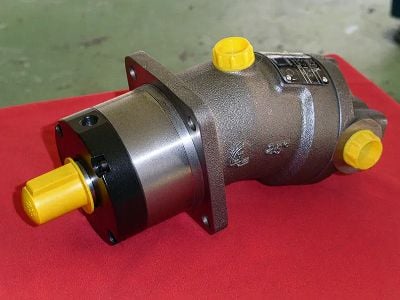
Polyurethane foaming metering pumps are important tools used in many industries. These pumps help create polyurethane foam, which is used in products like mattresses, insulation, and sealants. When it comes to using these pumps, there are two main ways to operate them: batch operation and continuous line operation. Understanding the difference between these two methods is crucial for anyone looking to use polyurethane foaming pumps effectively. Let's take a closer look at these two operations and how to choose the right one for your needs.
How to Choose Between Batch and Continuous Operation for Your Polyurethane Foaming Needs
When deciding between batch and continuous operation for polyurethane foaming, consider what you need most. In batch operation, the pump makes foam in groups or batches. This means you fill the pump, wait for it to finish, and then start again. This can be great if you need different types of foam for different products. For example, if you make cushions and insulation, you might want to switch between making each type. Batch operation gives you the flexibility to change what you are making. However, it can take more time because you have to stop and start often.
On the other hand, continuous operation means the pump keeps running without stopping. This is useful when you need to make a lot of the same foam over and over. For example, if you are making a long line of mattresses, continuous operation saves time because the pump never stops. It helps you create a steady flow of foam. But if you need to switch to a different type of foam, axial piston variable pumpmight take longer to set up the pump again.
Think about how much foam you need and how often you change what you are making. If you have a lot of different products, batch operation might be better. But if you produce the same foam all the time, continuous operation will help you work faster. Gelan offers both types of pumps to fit your needs, so you can choose what works best for your business.
Where to Find the Best Wholesale Polyurethane Foaming Metering Pumps for Your Business
Finding the right polyurethane foaming metering pumps is important. You want pumps that are reliable, efficient, and fit your needs. Gelan is a great place to start looking. We have a wide range of pumps for both batch and continuous operation. You can trust that our pumps are made with high-quality variable displacement axial piston pump and designed for long-lasting use.
When looking for wholesale options, consider checking out our website or contacting our sales team. They can help you understand which pumps are best for your specific applications. You might want to compare prices and features from different suppliers, but remember that quality matters. Sometimes, spending a little more on a quality pump from Gelan can save you money in the long run by reducing maintenance costs and improving production efficiency.
You can also look for customer reviews and testimonials. Hearing from other businesses that use our pumps can give you peace of mind. It’s also a good idea to ask about warranty and support options. Gelan offers excellent customer service and technical support. This means if you have any issues, you can get help quickly.
In summary, when searching for polyurethane foaming metering pumps, find a trusted supplier like Gelan. Consider your production needs and choose between batch and continuous operation wisely. With the right pump, you can improve your production and create high-quality foam products.
How Batch Processing Can Enhance Your Polyurethane Foam Production Efficiency
When making polyurethane foam, one important choice is how you mix the materials. One way to do this is called batch processing. In batch processing, you mix a set amount of materials all at once. This method can help make your foam production more efficient. First, batch processing allows you to control the exact amount of materials you use. For example, if you want to create a specific type of foam, you can measure out the right amounts of polyol and isocyanate. With the Gelan polyurethane foaming metering pump, it becomes easy to get the measurements just right. This means you can make high-quality foam every time.
Another benefit of batch processing is that it can reduce waste. When you mix all the materials together in one batch, you can use them all at once. This means there variable piston pump is less leftover that you might not use. Using Gelan's technology helps ensure that you get every drop of the materials into the foam, which saves money and resources. Additionally, batch processing is great for making different types of foam. If you want to switch from one kind of foam to another, you can clean the mixing equipment and start a new batch. This flexibility lets you meet customer needs quickly.
Batch processing also helps with quality control. When you make one batch at a time, you can check the quality of the foam before moving on to the next one. If something doesn’t look right, you can fix it immediately. This makes sure that every batch of foam meets the high standards that your customers expect. Using Gelan's metering pump can help keep the process smooth and easy. Overall, batch processing can greatly enhance your polyurethane foam production efficiency by providing control, reducing waste, allowing for flexibility, and ensuring quality.
How to Troubleshoot Common Problems with Polyurethane Foaming Metering Pumps
Even with the best equipment, problems can happen. When using a polyurethane foaming metering pump, it’s important to know how to troubleshoot common issues. One common problem is that the pump might not work at all. If this happens, check if the power is on. Make sure all the connections are plugged in properly. If the pump is still not working, it might need maintenance. Sometimes, the pump can get clogged. This can happen if there are leftover materials inside the pump. To fix this, make sure to clean the pump regularly, especially after a batch is finished.
Another problem you might face is uneven foam production. This means that the foam being made is not the same quality every time. If the foam is coming out too runny or too thick, it could be a sign that the pump is not measuring the materials correctly. Check the settings on the Gelan metering pump to make sure they are set correctly for the type of foam you want to make. If the settings are good but the problem continues, it might be time to look at the parts of the pump itself. Sometimes, worn-out parts can cause issues. If this is the case, replacing the worn parts can help get the pump back to normal.
Lastly, air bubbles in the foam can be another issue. These bubbles can make the foam weaker and less effective. To reduce air bubbles, make sure that you are mixing the materials properly. Using the Gelan metering pump can help ensure that the materials are mixed evenly and with the right amount of pressure. If you notice air bubbles, try adjusting the mixing speed or checking the equipment for leaks. By understanding these common problems and how to fix them, you can keep your polyurethane foaming production running smoothly and efficiently.
How to Maximize Product Quality with the Right Polyurethane Foaming Metering Pump Setup
The quality of the polyurethane foam you make depends a lot on how you set up your metering pump. To get the best results, it's important to choose the right equipment and set it up correctly. First, make sure to select a Gelan polyurethane foaming metering pump that matches your production needs. Different types of foam require different settings, so understanding what you need is essential. For example, if you are making soft foam, you might need a pump that can handle a lower pressure. On the other hand, if you are making hard foam, you may need a pump that can work with higher pressure. The right choice will help you create foam that is exactly what you want.
Another key part of maximizing product quality is regular maintenance of the pump. Keeping the Gelan pump clean and well-maintained can prevent many issues. Make sure to follow the maintenance schedule recommended by the manufacturer. Regularly check for any leaks, clogs, or worn-out parts. If you notice any problems, fix them right away. A well-maintained pump works better and produces higher quality foam.
Table of Contents
- How to Choose Between Batch and Continuous Operation for Your Polyurethane Foaming Needs
- Where to Find the Best Wholesale Polyurethane Foaming Metering Pumps for Your Business
- How Batch Processing Can Enhance Your Polyurethane Foam Production Efficiency
- How to Troubleshoot Common Problems with Polyurethane Foaming Metering Pumps
- How to Maximize Product Quality with the Right Polyurethane Foaming Metering Pump Setup