EN
EN
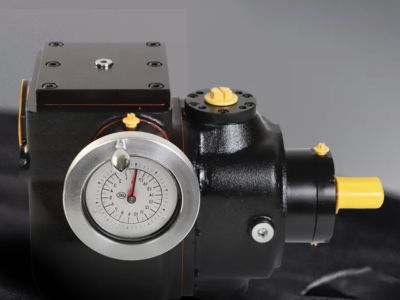
Pressure fluctuations in A2VK Axial piston PU dosing pumps can be a real headache. These pumps are important in many industries for moving liquids accurately. When the pressure isn't steady, it can cause problems with the flow and the amount of liquid being pumped. This can lead to waste and even damage to equipment. It’s very important to troubleshoot these issues quickly to keep everything running smoothly. At Gelan, we understand how crucial it is to keep your dosing pumps in good shape, so let’s look into some common problems and how to fix them
Troubleshooting Common Pressure Fluctuation Issues in A2VK Axial Piston PU Dosing Pumps
Pressure fluctuations can come from various sources. One common issue is air getting into the pump. When air mixes with the liquid, it can create bubbles that cause the pressure to drop. This is called cavitation. If you hear a rattling noise or see inconsistent pressure readings, air might be the problem. Another issue could be a blockage in the pump or the pipes. If there’s something stuck, like dirt or debris, it can make it hard for the liquid to flow through, causing the pressure to go up and down. You should check the filters and clean them regularly. Sometimes, the pump itself might be worn out. Over time, the internal parts can get damaged, which affects how well the pump works. If you notice that the pump is leaking or not moving the liquid as it should, it might need repairs or replacement. Regular maintenance is key to preventing these problems. Check the pump daily and ensure everything is tight and clean. If you notice a problem, address it right away
Common Usage Issues with A2VK Axial Piston PU Dosing Pumps and How to Fix Them
Using the A2VK variable piston pump correctly is essential for their performance. One common mistake is using the wrong liquid. If the liquid is too thick or has particles in it, the pump might struggle to work properly. Always refer to the user manual to know what liquids are safe to use. Another issue is incorrect settings. If the pump is set to a pressure that is too high or too low for the job, the pump can wear out faster or not deliver the right amount of liquid. Make sure to adjust the settings according to the specific task you’re doing. If you find that the pump is often overworked, consider using a larger model or multiple pumps to share the load. Also, check for leaks in the connections. If you see any, fix them immediately. Leaks can cause pressure changes and waste liquid. Regularly check all hoses and fittings to ensure they are tight and in good condition. Lastly, don’t forget about the electrical connections. Sometimes, the power supply can cause fluctuations in pressure. Ensure that everything is connected properly and that the power source is stable. Taking care of your A2VK axial piston PU dosing pumps helps avoid pressure fluctuations and keeps everything running smoothly. At Gelan, we want you to have the best experience with our products. Follow these troubleshooting tips and usage guidelines to ensure your dosing pumps work efficiently. When problems arise, don't hesitate to check the details. Remember, keeping up with maintenance can save you time and money down the road
How to Ensure Consistent Pressure in A2VK Dosing Pumps for Optimal Performance
To keep A2VK radial piston motor working well, it is very important to have steady pressure. When the pressure is constant, the pump can do its job better. This helps in adding the right amount of liquids, which is super important in many businesses. One way to ensure steady pressure is to check the pump regularly. You should look for any leaks or blockages in the pipes. Even a small leak can change the pressure a lot, making it hard for the pump to work right. Make sure the connections are tight and there are no cracks in the pipes. Another tip is to use filters. Filters can help keep dirt and other stuff from getting into the pump. If the pump gets dirty, it won’t work as well, and that can lead to pressure problems. Always clean the filters and replace them when needed. It is also essential to keep the pump lubricated. The A2VK pump needs the right amount of oil to run smoothly. If it runs dry, it can cause pressure changes, which could be bad for the pump. You should also pay attention to the speed settings of the pump. If it is running too fast or too slow, it can cause pressure to go up and down. Make sure to set the speed according to the instructions provided by Gelan. Finally, training your team to understand how the pump works is very important. When everyone knows how to use the pump properly, it helps keep the pressure consistent
Where to Source High-Quality A2VK Axial Piston PU Dosing Pumps for Your Business
When looking for A2VK dosing pumps, you want to make sure you find the best quality. Choosing high-quality pumps means they will last longer and work better. One of the best places to find these pumps is directly from Gelan. Gelan is known for making reliable and strong dosing pumps. You can visit their website to see different options and find the pump that fits your needs. They also have a team ready to help you choose the right pump for your business. You can also ask other businesses for recommendations. Sometimes, talking to people who already use A2VK pumps can give you valuable insights. They can share their experiences and let you know which places sell good pumps. Make sure to check reviews online. Many websites allow people to leave feedback about products. This can help you see which sellers are trusted and which ones might not be as good. Another important point is to look for warranties. A warranty means that if something goes wrong with the pump, you can get help or a replacement. This can save you a lot of money in the long run. Always read the warranty details before making a purchase. Lastly, think about the customer service of the company. If you have questions or need help, it’s nice to have a company that is easy to reach. Gelan offers great customer service, ensuring you get the support you need
How to Troubleshoot Pressure Instability in A2VK Axial Piston PU Dosing Pumps Effectively
If you notice that your A2VK dosing pump is not maintaining steady pressure, it's time to troubleshoot the problem. Start by checking the power supply. Sometimes, if the electricity isn’t stable, the pump won’t work right. Make sure that the power cord is plugged in and that there are no issues with the outlet. If everything looks okay, take a look at the pump itself. Start with the suction side of the pump. If there are any leaks or blockages, it can cause pressure to drop. Check hoses and fittings for any signs of damage. If the hoses are bent or crimped, that can also affect the pressure. After checking the suction side, turn your attention to the discharge side. Ensure that there are no blockages in the pipes leading out of the pump. If something is stuck, the pump will struggle, and that can cause pressure changes. Next, examine the pressure gauge. Sometimes, the gauge itself may be broken or not calibrated correctly. If the gauge is faulty, it can give you false readings, making it seem like there is pressure instability when there isn’t. Make sure it’s working right. Finally, if you still can’t find the problem, it might be time to reach out to Gelan for help. They have experts who can assist you in diagnosing the issue. Whether it’s a small fix or a more significant problem, getting help from the people who know the pump best is always a good idea. By following these steps, you can get your A2VK dosing pump back to running smoothly and maintaining consistent pressure.
Table of Contents
- Troubleshooting Common Pressure Fluctuation Issues in A2VK Axial Piston PU Dosing Pumps
- Common Usage Issues with A2VK Axial Piston PU Dosing Pumps and How to Fix Them
- How to Ensure Consistent Pressure in A2VK Dosing Pumps for Optimal Performance
- Where to Source High-Quality A2VK Axial Piston PU Dosing Pumps for Your Business
- How to Troubleshoot Pressure Instability in A2VK Axial Piston PU Dosing Pumps Effectively