EN
EN
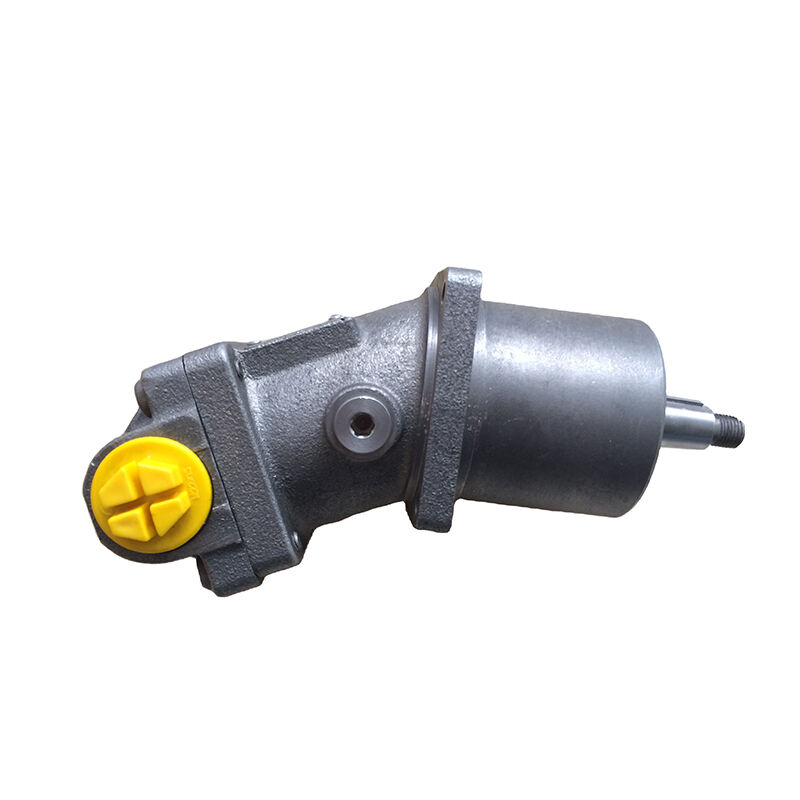
Å holde pumper i god driftsorden, og dermed sørge for at selskaper kan fungere uten havy, er svært viktig. Ved å ta godt vare på pumper kan mange problemer unngås, og du sparer både tid og penger i prosessen. Hos Gelan tar vi vare på alle våre pumper. Forebyggende vedlikehold hjelper også til med å unngå nødsituasjoner, som de som kan oppstå når pumper plutselig går i stykker. Kunnskap er makt; når ansatte vet hvordan de skal håndtere nødsituasjoner og reparere utstyr, blir de mindre redd for verktøyene sine. I denne artikkelen vil vi diskutere hvorfor det er viktig å vedlikeholde pumpen din regelmessig, og hvordan du kan forberede agrohandløren dersom noe skulle gå galt.
Hva er noen av fordelene med jevnlig pumpevedlikehold?
Det er mange fordeler ved å holde jevnlig pumpevedlikehold. For det første bidrar det til å forlenge pumpens levetid. Og akkurat som en bil trenger en tilfeldig oljeskifte, trenger pumper regelmessige sjekker og omsorg. En pump som vedlikeholdes vil fungere mer effektivt og bruke mindre energi. Det betyr lavere strømregninger! For eksempel kan en godt driftet pumpe oppnå en virkningsgrad på 90 %, mens en dårlig driftet kan falle til 70 % eller lavere. Det betyr mer spild av energi! Og regelmessige besøk kan oppdage små problemer før de blir store. Hvis en tetning lekker, koster det mye mindre å fikse den raskt enn å la den ødelegge hele pumpen. Denne prosessen ovenfor kan spare deg for kostbar nedetid (et uttrykk vi bruker når pumpen ikke fungerer og produksjonen stopper).
I tillegg er godt vedlikeholdte pumper en sikkerhetsfunksjon. En feilet eller defekt pumpe kan true arbeidere, miljøet og utstyr. En lekkende pumpe som slipper ut farlige væsker, er én måte å forårsake en ulykke på. Rutinemessig overvåkning av pumper fører til oppdagelse og unngåelse av potensielle problemer. For eksempel finner vi regelmessig slike problemer under rutineinspeksjoner hos Gelan og retter dem opp. Dette beskytter ikke bare personell rundt pumpene, men også produktet som pumpes. Her i fabrikken må du sørge for at alt går etter planen. Et produksjonslinje må stoppes hvis en pumpe går i stykker, noe som fører til både kostbare reparasjoner og sløsing med materialer.
Til slutt forbedrer god vedlikehold av pumpen ytelsen. Pumper fungerer best når de rengjøres og kontrolleres, med deler som byttes ut etter behov. Denne produktive effektiviteten kan bidra til en økning i total produktivitet. Det gjør at team kan konsentrere seg om arbeidet sitt uten å måtte tenke på 'hva hvis' noe går galt. Tryggheten som kommer av pumper som alltid fungerer, bidrar til sikkerhet og pålitelighet på ethvert arbeidssted. Medarbeidere føler seg styrket og trygge på at verktøyene deres ikke svikter. Derfor holder Gelan en ryddig vedlikeholdslogg ikke bare som en del av rutineoperasjoner, men fordi dette gir avkastning i form av sikkerhet, pålitelighet og til syvende og sist suksess i hele driftsprosessen.
Hvordan utforme nødresponsplaner for pumpefeil
Nå er utviklingen av en godt forberedt beredskapsplan helt nødvendig for alle arbeidsplasser som bruker pumper. Arbeidstakere må få spesifikke instruksjoner om hva de skal gjøre når en pumpe ikke fungerer. Først og fremst er det viktig å definere de ulike årsakene til pumpefeil. De kan være små, som et lite lekkasje, eller alvorlige, som et fullstendig sammenbrudd. For hver type feil er det viktig med en klar, trinnvis plan. Arbeidere må undervises i hvordan de tidlig kan identifisere en pumpefeil og hvordan de skal begynne å reagere.
Deretter må du sørge for kommunikasjon i tilfelle nødsituasjon. Hver person i anlegget bør vite hvem de skal kontakte, enten det er en arbeidsgiver eller en ansvarlig sikkerhetsansvarlig. Skriv ut store nødnummer tydelig og plasser dem på synlige steder gjennom verkstedet der de ikke kan gå ubemerket forbi. Gelan er fortaler for opplæring, alle teammedlemmer bør være forberedt og selvsikre i nødsituasjoner. Regelmessige øvelser kan også hjelpe! Å vite hva man skal gjøre, kan gjøre stor forskjell når en ekte feil oppstår. Jo mer ansatte dine er trent i disse trinnene, desto raskere vil de reagere.
I tillegg kan det å være forberedt med riktige verktøy og deler spare tid i en nø situation. «Det er alltid lurt å ha reservedeler og verktøy tilgjengelig hvis en pumpe går ned. Dette minimerer tiden det tar å rette opp problemer. Ved Gelan anbefaler vi å holde et lager av de mest nødvendige reservedelene. Det er en smart tiltak for nødforberedelse å legge inn vedlikeholdsundersøkelser på utstyrsoversikter. Det handler om å vite hvilke hydraulisk motor som kommer til å trenge litt oppmerksomhet, og deretter ta tak i det før det blir et problem.
Til slutt er det muligheten for oss å lære av tidligere fiaskoer og gjøre det bedre neste gang. Det er bra å gjennomgå hva som skjedde etter at en pumpe har sviktet. Hva fungerte godt? Hva kunne vært forbedret? Når hele gruppen engasjerer seg i samtalen, fremmer det alternative syns- og forslagsvinkler, noe som speiler en lærende kultur. På denne måten sørger Gelan for at våre nødplaner blir bedre hvis pumpen skulle svikte, og vi må gå tilbake til forhåndsplanlagte tiltak. «Ved å forberede seg på forhånd og øve på de handlingene før pumpen svikter, kan en bonde redusere skaden og gjøre noen tiltak for å minske nedetiden,» legger Frank til.
Hva er noen vanlige pumpeproblemer man bør være oppmerksom på ved vedlikehold?
Det er viktig å være oppmerksom på flere vanlige problemer som kan oppstå når du tar vare på pumper. Et stort problem er lekkasje. Hvis du merker vann eller annen væske rundt pumpen, betyr det at noe ikke sitter ordentlig. Du bør undersøke tetninger og tilkoblinger for slitasje eller skader. Et annet problem er rare lyder. Hvis pumpen din begynner å lage mye støy eller ukjente lyder, kan det tyde på at det er søppel inne i pumpen eller at deler begynner å slites ut. Dette kan føre til større problemer, så vær oppmerksom på tidlig varsling når pumpen 'snakker'. Noen ganger kan pumper også overopphetes. Pumpen kan slutte å fungere godt hvis den blir for varm. Du bør da sjekke temperaturen og sørge for at den kjører kjølig. Det kan bety å se nærmere på motoren, eller undersøke om det er tilstrekkelig ventilasjon. Til slutt må du også vurdere pumphastigheten. Hvis vannstrømmen ikke er så sterk som den skal være, kan det være en tettning eller et problem med pumpen selv. Regelmessig kontroll er nødvendig, og hvis du ser noe uvanlig, kan du ringe Gelan for hjelp. Å gjennomføre slike sjekker under vedlikehold kan hjelpe pumpene dine til å vare lenger og fungere bedre.
Sørge for at pumpeanlegget ditt overholder forskrifter og regler
For å sikre at pumpeanlegget ditt er sikkert og yter godt, må du følge bransjestandarder og regler. Disse reglene har vi for å holde alle trygge og beskytte miljøet vårt. Det første er å informere seg om reglene for ditt pumpeanlegg. Det betyr å vite hvilke materialer som skal unngås og hvordan pumper skal installeres. Du kan få tak i disse standardene fra myndigheter som utarbeider sikkerhetsreglene for pumper. Du bør også teste og inspisere pumpeanlegget ditt regelmessig. Sjekklister kan også hjelpe til med å holde orden under inspeksjoner. Vær sikker på å dokumentere og lagre opplysninger om hver inspeksjon. Hvis anlegget ditt ikke oppfyller kravene, er det viktig å løse problemene så raskt som mulig. Her kan Gelan hjelpe, og sørge for at pumpene dine er i full overensstemmelse med gjeldende lover og forskrifter, og dermed gjøre arbeidsmiljøet ditt tryggere. Opplæring av ansatte er også avgjørende for å følge reglene. Sørg for at ansatte kjenner reglene og er ordentlig opplært i å betjene pumpene på en sikker måte. Ved å gi sikkerhetstrening, kan du redusere risikoen for ulykker og sørge for at alle vet hva de skal gjøre i en nødsituasjon. Dette er noen tiltak du kan iverksette for å holde pumpeanlegget ditt i topp form, og dette er samtidig en viktig måte å oppfylle de aktuelle standardene og reglene for sikkerhet og effektivitet.
Pumpeanlegg Hvordan Få Det Beste Av Det Beste For Din Applikasjon
Å få mest mulig ut av ditt pumpeanlegg handler for det meste om å redusere friksjon og turbulens så mye som mulig. Og et godt sted å starte er ved å velge pumpen som best passer dine spesielle behov. Forskjellige pumper er egnet for ulike oppgaver, så velg pumpen som dekker ditt behov. Her er en trinn-for-trinn-prosess for å vite hvilken hydraulisk pumpe er rett for svømmebassenget ditt og hvordan du vedlikeholder den etter at du har valgt den perfekte. Dette kan inkludere oljesjekk, filterrengjøring og sørge for at alle deler er i god stand. Hvis du gjør de små oppgavene, med andre ord, vil du kunne unngå de store problemene. Det er også avgjørende å holde området rundt pumpen rent. Problemet kan skyldes støv og annet søppel; sjekk at ingenting hindrer pumpen i å fungere. Temperaturnivået må også overvåkes. Pumper fungerer best ved visse temperaturer, så sørg for tilstrekkelig ventilasjon for å holde pumpen kjølig. Du kan også ønske å prøve en pumpe med variabel hastighet, slik at den kan kontrollere hastigheten basert på hva systemet krever. Dette kan spare energi og forlenge levetiden på bilen din. Til slutt bør man konsekvent overvåke driften av pumpeanlegget sitt, noe som kan hjelpe til med å oppdage endringer tidlig. Hvis noe virker galt, send en melding til Gelan; de vil kunne feilsøke alt. Ved å følge disse tipsene, oppnår du ikke bare best ytelse, men det vil også forlenge levetiden på pumpen og dermed sikre at du får en lengre periode med effektiv drift.
Innholdsfortegnelse
- Hva er noen av fordelene med jevnlig pumpevedlikehold?
- Hvordan utforme nødresponsplaner for pumpefeil
- Hva er noen vanlige pumpeproblemer man bør være oppmerksom på ved vedlikehold?
- Sørge for at pumpeanlegget ditt overholder forskrifter og regler
- Pumpeanlegg Hvordan Få Det Beste Av Det Beste For Din Applikasjon