EN
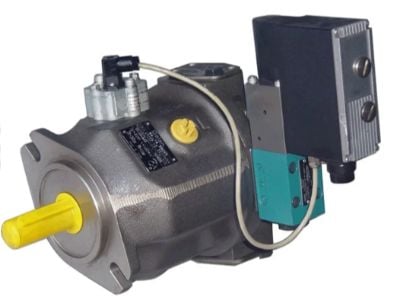
Taking care of an axial piston variable pump is really important if you want it to work well and last a long time. At Gelan, we know how important maintenance is. One big part of this is changing the oil used in the pump. Oil helps keep everything running smoothly by reducing friction and heat. If the oil is dirty or old, it can cause problems in the pump. Regular oil changes can help prevent breakdowns and make sure the pump works efficiently. This article will talk about how to know when to change the oil and how good maintenance can make your pump last longer.
How to Determine the Ideal Oil Change Cycle for Axial Piston Pumps?
Knowing when to change the oil in an axial piston is key to keeping it in good shape. First, you should check the manufacturer’s recommendations. They usually have guidelines on how often oil should be changed. But it can also depend on how often you use the pump. For instance, if you use the pump every day, you might need to change the oil more often than if you use it once a week. Also, look at the type of oil you are using. Some oils break down faster than others. If the oil looks dark or has particles floating in it, that is a sign it needs to be changed. Another way to check is by using an oil analysis kit. This kit helps you learn more about how the oil is doing. If you see high metal levels in the oil, it could mean the pump is wearing out. Keep an eye on temperature too. If the pump is running hotter than normal, it might mean the oil is not doing its job anymore. Lastly, always keep a routine. Set a schedule for oil changes, and stick to it. It’s better to change the oil too often than not enough. This way, you can keep your pump happy and running well for a long time.
How Does Proper Maintenance Enhance the Lifespan of Axial Piston Pumps?
Proper maintenance is like giving your pump a regular health check-up. When you care for your axial piston pump, you are helping it stay strong and work better. Regular maintenance includes checking the oil, cleaning filters, and looking for leaks. For example, if you clean or replace filters regularly, it helps keep dirt and other unwanted stuff from getting into the pump. This is super important because dirt can cause wear and tear on the pump parts. Also, checking for leaks is essential. If you find a leak, fix it right away. Even small leaks can lead to big problems later. Another part of maintenance is listening to your pump. If it starts making strange noises, something might be wrong. Don't ignore it! Fixing small issues quickly can prevent them from becoming big headaches. Moreover, regular checks can help you spot wear on parts before they break. This can save you a lot of money and time. At Gelan, we believe that a little effort in maintenance goes a long way. By making sure your axial piston pump is well taken care of, you can enjoy its benefits for many years.
How to Identify Signs That Your Axial Piston Variable Pump Needs Lubrication?
When you have an axial piston variable pump, it is very important to keep it lubricated. If the pump does not get enough oil or grease, it can start to have problems. One of the first signs that your pump needs lubrication is noise. If you hear strange sounds, like grinding or squeaking, this could mean the parts are not moving smoothly because they are not well lubricated. Another sign is overheating. If the pump feels very hot to the touch, it might not have enough oil. This can make the parts wear out faster. Also, watch for leaks. If you see oil dripping from the pump, it could mean that the lubrication system is not working properly. Lastly, if the pump is not performing as well as it should, this might mean it needs more oil. If you notice any of these signs, it’s time to check the oil level and add more if needed. Remember, keeping your pump well-lubricated helps it work better and last longer. At Gelan, we recommend checking the oil regularly to prevent problems before they start.
What Are the Best Practices for Maintaining Axial Piston Variable Pumps?
To keep your axial piston variable pump in great shape, it’s important to follow some best practices. First, always check the oil level. Make sure there is enough oil in the pump. If the oil is low, add the right type of oil that is suitable for your pump. It’s also important to change the oil regularly. Old oil can become dirty and thick, making it hard for the pump to work properly. Check the manufacturer's guide to know how often to change the oil. Another good practice is to clean the pump. Dust and dirt can build up and cause problems. Use a soft cloth to wipe down the outside of the pump and make sure the area around it is clean. It is also a good idea to listen to how the pump sounds when it is running. If you hear anything unusual, check it out right away. Finally, make sure to use the right tools when working on the pump. Using the wrong tools can damage the pump. At Gelan, we believe that following these best practices can help your pump run smoothly for a long time.
How to Troubleshoot Common Problems in Axial Piston Pump Lubrication?
Sometimes, you might face problems with the lubrication of your axial piston pump. If you notice that the pump is not working as it should, you can try to troubleshoot the issue. First, check the oil level. If it is low, add more oil. If the oil level is fine, try to see if the oil is clean. Dirty oil can cause the pump to act up. If the oil looks dark or has particles in it, you should change it. Another common problem is the oil not getting to the pump. This can happen if there is a blockage in the oil line. Check to see if the lines are clear and not blocked by dirt or debris. If you find a blockage, clean it out. Sometimes, the oil pump that sends oil to your axial piston motor pump might not be working properly. Make sure it is running smoothly. If you are still having trouble, it might be a good idea to call a professional for help. At Gelan, we suggest keeping a close eye on your pump and addressing any issues as soon as you notice them. This way, you can keep your pump running well and avoid bigger problems in the future.
Table of Contents
- How to Determine the Ideal Oil Change Cycle for Axial Piston Pumps?
- How Does Proper Maintenance Enhance the Lifespan of Axial Piston Pumps?
- How to Identify Signs That Your Axial Piston Variable Pump Needs Lubrication?
- What Are the Best Practices for Maintaining Axial Piston Variable Pumps?
- How to Troubleshoot Common Problems in Axial Piston Pump Lubrication?