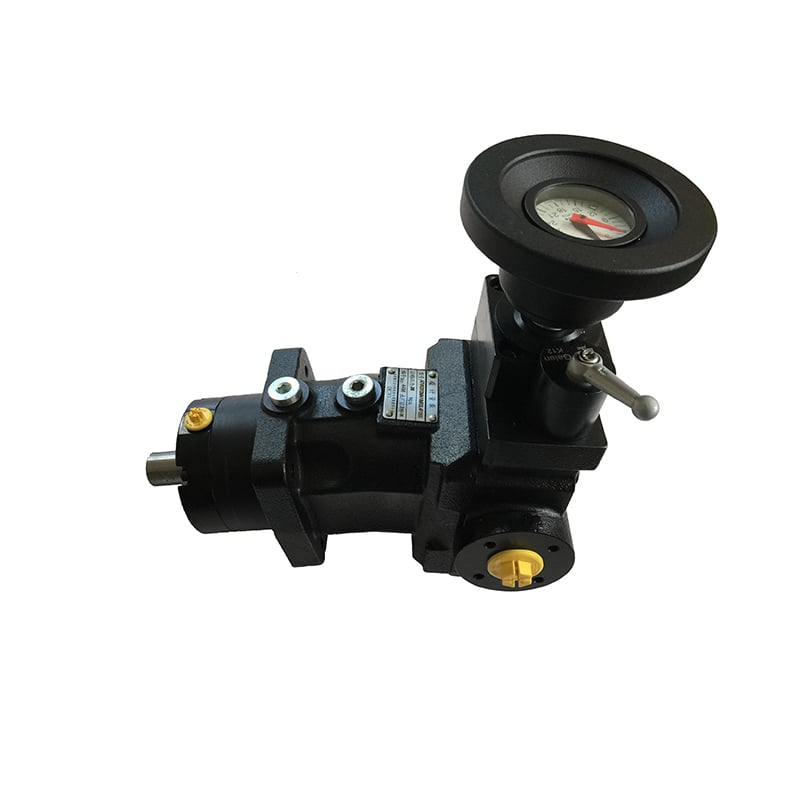
How to use a diaphragm pump Diaphragm pump is the most widely used in many areas of the automatic machinery Our pumps are widely used in ceramics, environment, detergent, food, medicine. A diaphragm pump is a positive displacement pump in which the moving part is a flexible diaphragm. Among those types of pumps is the centrifugal.It is very much to look after these pumps as they are workhorses in also the industries we at Gelan serves. Due to some fairly easy maintenance, you can maintain your diaphragm pump for a longer time and it will work better.
In order to maintain the condition of your diaphragm pump, be sure to clean it routinely. Dirt and debris can make pumps work harder, which could result in wear. And that’s something to warn you about — check the diaphragm before putting it through the paces, specifically for little cracks or if it’s rather thin. And they are cheap and easy to replace on the diaphragm itself before it becomes a bigger problem. Here at Gelan, we suggest it’s a good idea to keep a pump maintenance log, enabling you to monitor your pump’s condition as it ages.
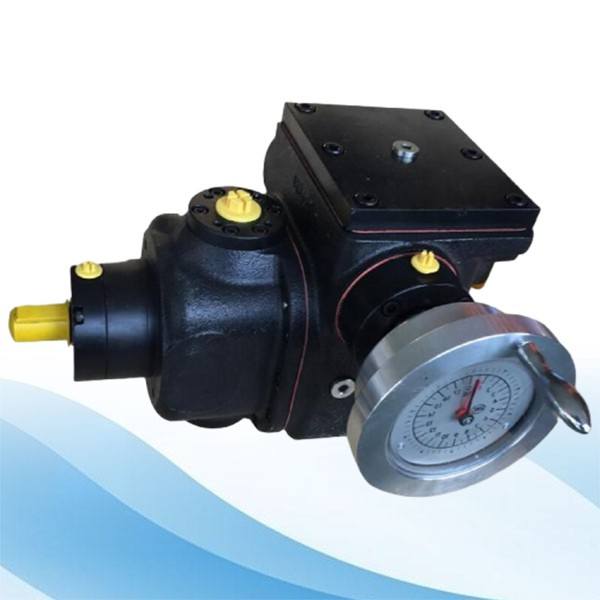
With a little regular maintenance, you can have your diaphragm pump performing at its best. This involves inspecting all parts of the pump, such as valves and seals, to ensure they are not worn. If these components are malfunctioning, they can interfere with how well the pump functions. By exercising regular checks, you can catch problems early and fix them, increasing what your pump can do and how long it lasts.
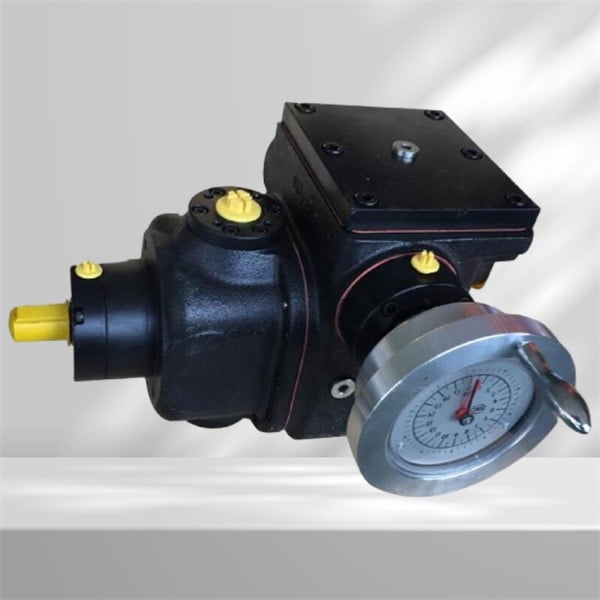
To save a little bit of money on your diaphragm pump maintenance, be sure you are using high quality replacement parts. While they may be more expensive up front, they also tend to last longer and work better, which saves you money in the long run. Another option is to have your staff trained on basic pump maintenance. This way, they can manage small repairs and maintenance themselves, without having to call costly specialists in.
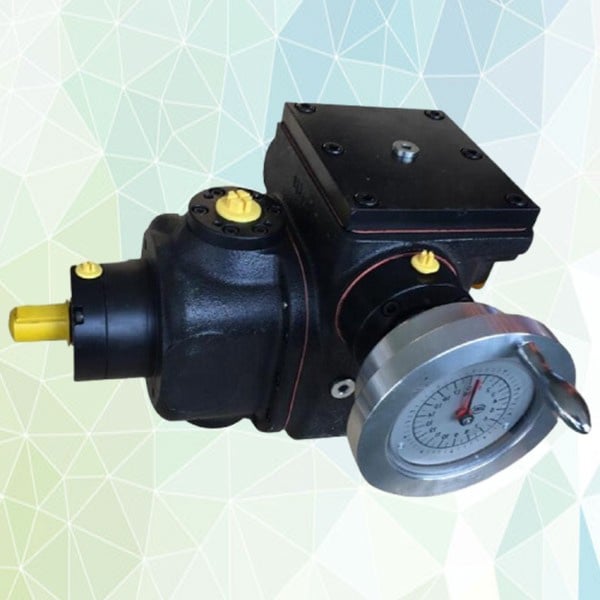
If your diaphragm pump is not functioning, take a look at these things. You may first want to check to see if your pump is clear and free from obstructions. Then check the diaphragm along with other parts for damage. If everything appears to be fine and the pump still isn’t doing its job, the issue could be with the power supply or the controls. Being aware of how to verify these is essential; it can allow you to solve issues efficiently.
Copyright © Beijing Gelan M&E Technology Co., Ltd. All Rights Reserved.
 EN
EN