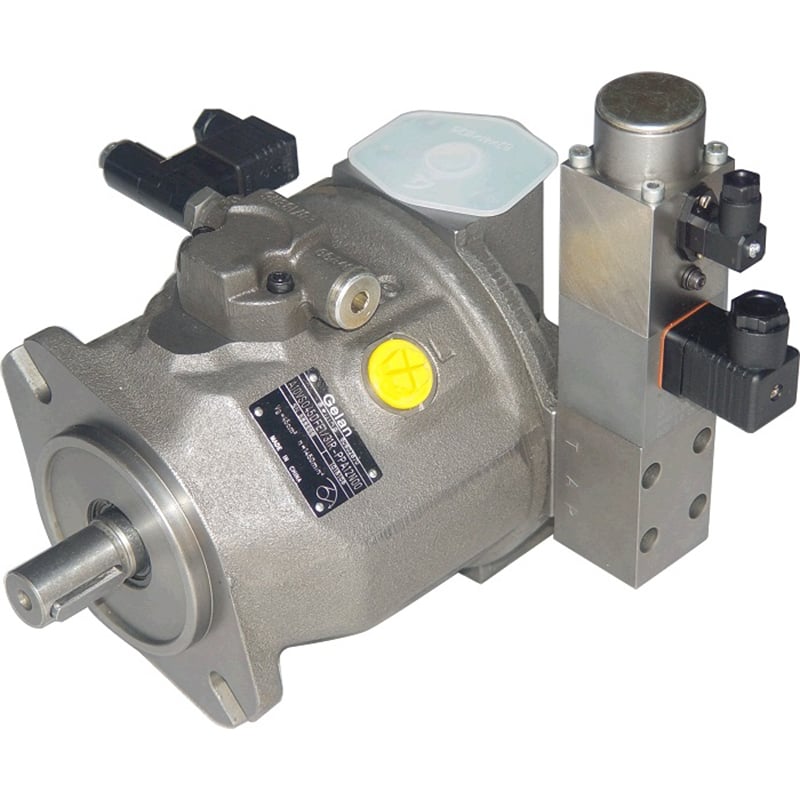
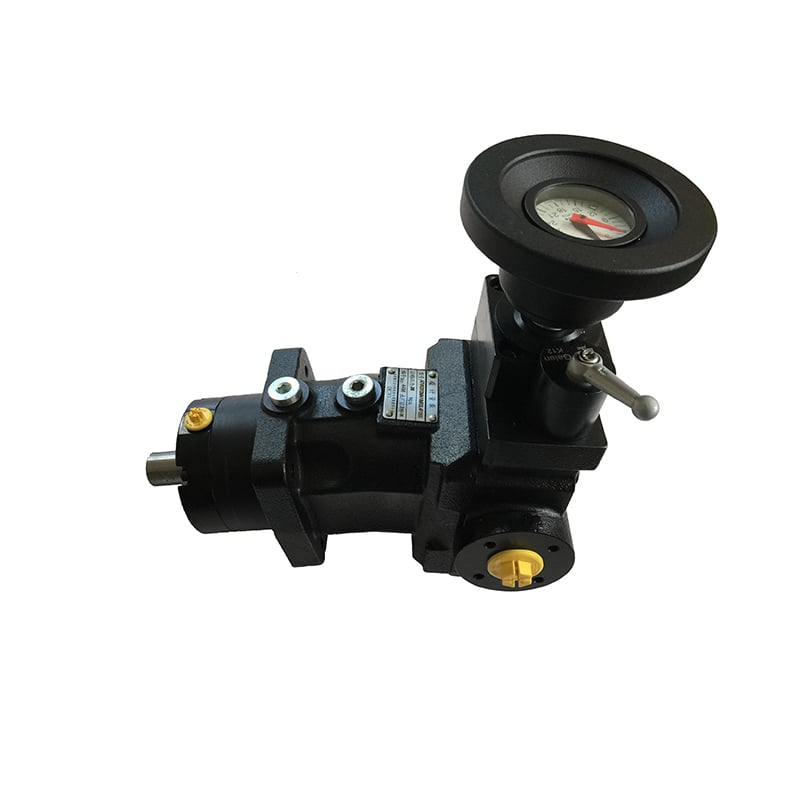
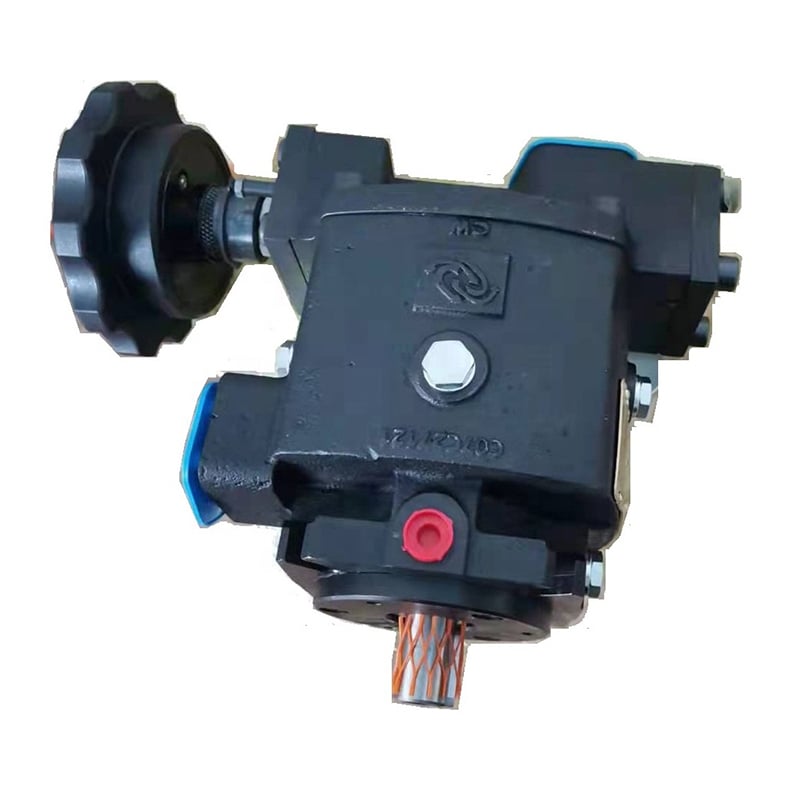
Corrosion resistant pumps are important tools in many industries. They help move liquids without getting damaged by rust or other harmful materials. Companies like Gelan make these pumps strong and durable. This means they can work well for a long time, even in tough conditions. When we think about where these pumps are used, we see them in places like factories, farms, and water treatment plants. They are specially made to handle liquids that can cause corrosion. Because of this, they save money for businesses by reducing the need for repairs and replacements. For instance, using an A10VSO Axial piston variable all-purpose open circuit pressure pump 10, 18, 28, 45, 71, 100, 140(cmᵒ /rev) can be a great choice in such applications.
Using corrosion resistant pumps can come with some challenges. One issue is that not all pumps are made for every liquid. For example, some pumps work great with water but might not be able to handle strong chemicals. If a pump is used for the wrong liquid, it can break down quickly. Another problem can happen if the pump is not installed correctly. If the connections are loose or the pump is not aligned properly, it can lead to leaks. These leaks can cause damage to the surrounding area and make the pump less efficient. Additionally, corrosion resistant pumps might need regular checks. If they are not maintained, dirt or other materials can build up inside them. This can block the flow of liquid and make the pump work harder than it should. Over time, this can lead to bigger problems. Sometimes, people might not realize that the materials used in the pump itself can wear out. Even corrosion resistant materials can have their limits. If a pump is pushed too hard or used beyond its recommended limits, it can fail. Finally, the environment where the pump is used can also lead to issues. Extreme temperatures or high pressures can affect how well the pump works. It’s important to know these common issues to avoid problems. Being aware of these helps businesses use their pumps better and longer, making their operations smoother.
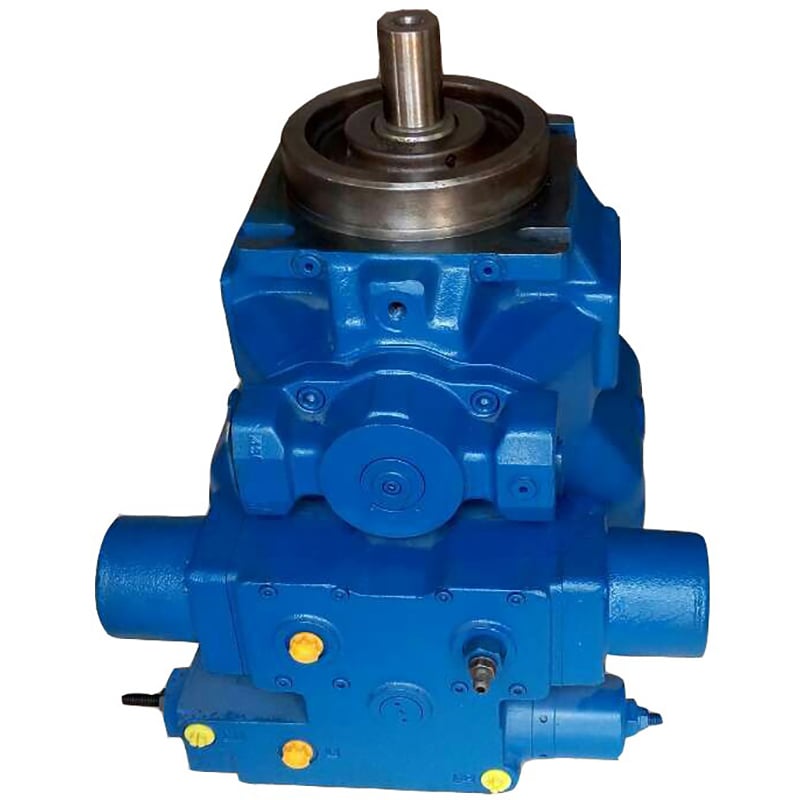
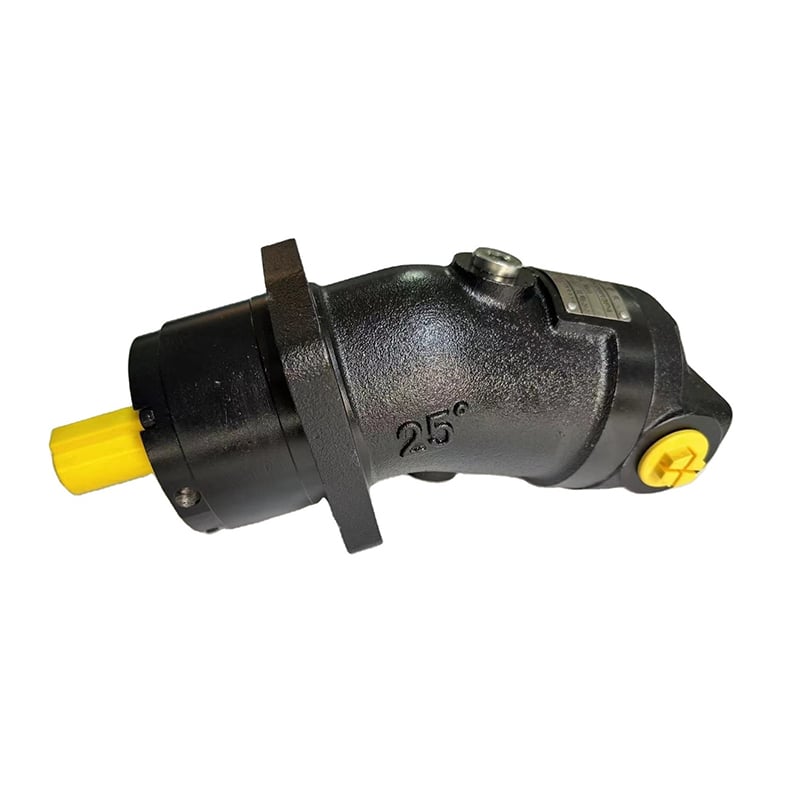
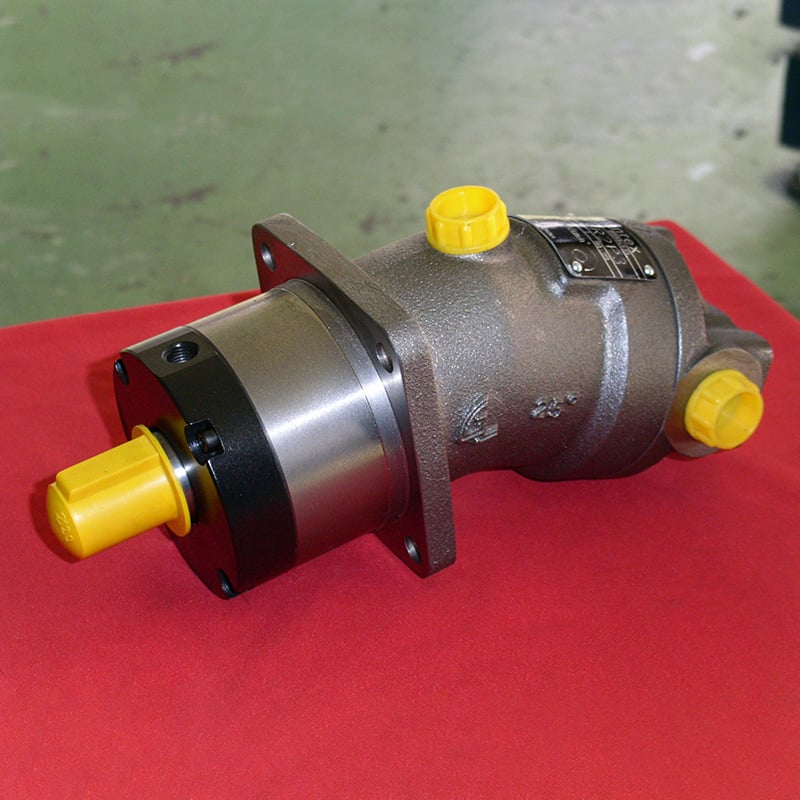
When looking to buy corrosion resistant pumps in bulk, there are a few things to keep in mind. First, think about the type of liquid the pumps will be handling. If it’s a strong acid or a very salty liquid, you need a pump that is specially designed for that. Different materials hold up better against different types of corrosion. Next, consider the size of the pump. It has to fit in the space you have and be able to handle the amount of liquid you need to move. If the pump is too small, it won't work well. Also, check how much pressure the pump can handle. Some tasks need more pressure than others, and using the wrong pump can cause issues. It’s also wise to look at the reputation of the manufacturer, like Gelan. A company known for quality will likely provide pumps that last longer and perform better. Price is another important factor. While it’s tempting to go for the cheapest option, remember that quality often comes at a price. Sometimes, spending a little more upfront can save you money in the long run by reducing maintenance and replacement costs. Lastly, think about the support you will get after purchasing. Good manufacturers often offer warranties and customer service to help with any problems. For specialized applications, you might consider pumps like the A2F piston fixed flow pump/motor for demanding mobile hydraulics 2.5, 5, 10, 12, 28. By keeping these points in mind, you can make a better choice when buying corrosion resistant pumps. This will help ensure that your operations run smoothly.
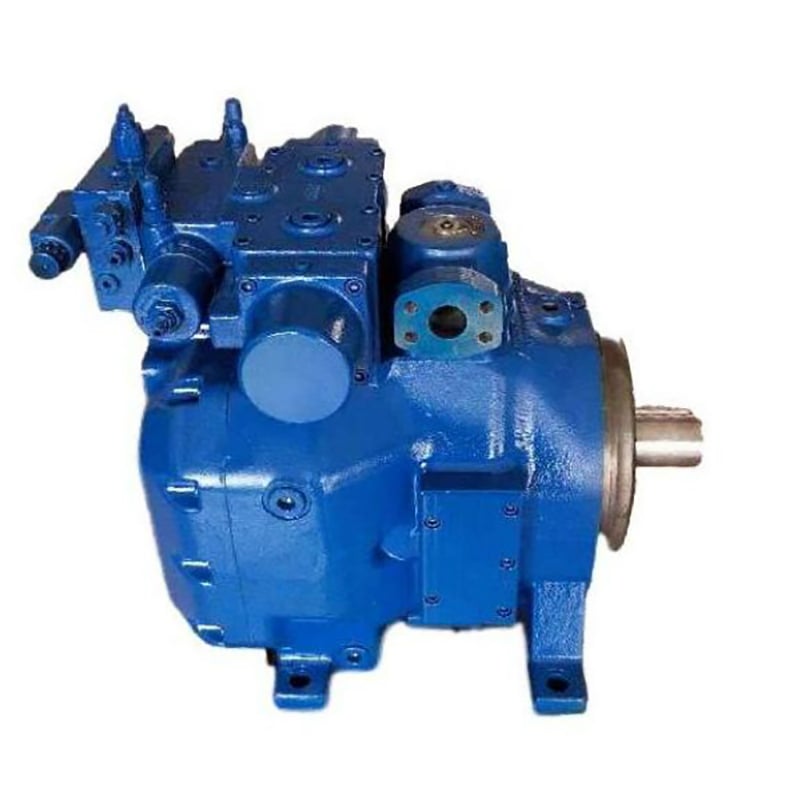
Corrosion resistant pumps are important machines that help move liquids, especially in places where regular pumps might rust or break down. Sometimes, these pumps can have problems, and knowing how to troubleshoot them is very helpful. First, if your pump is not working well, check if it is clogged. Dirt or other materials can get stuck in the pump and stop it from working. To fix this, turn off the pump and carefully clean it. Make sure to wear gloves and be careful, as some liquids can be dangerous. Next, listen for strange noises when the pump is running. If you hear loud banging or grinding sounds, it might mean parts are loose or worn out. You should check the pump and tighten any loose parts. If you notice any leaks, this could be a sign that seals or gaskets need to be replaced. It is important to fix leaks quickly because they can cause more damage or waste valuable liquids. If the pump is vibrating too much, it may not be mounted correctly. Make sure it is sitting level and secure. Lastly, if the pump is not moving any liquid at all, check if it has enough power. Sometimes, the power supply can be interrupted, or the motor might be damaged. Always follow the safety guidelines when troubleshooting your corrosion resistant pump. If you are unsure about any steps, it is best to ask for help from a professional. Gelan offers great support and advice for dealing with pump issues, so don’t hesitate to reach out to them if you need guidance.
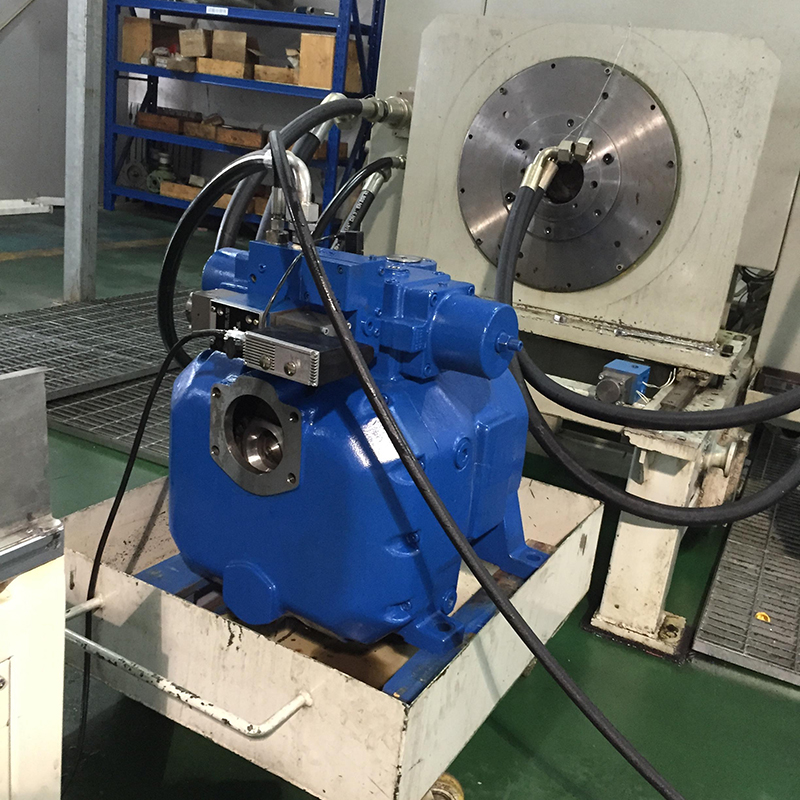
The world of corrosion resistant pump technology is always changing and improving. Many new innovations are making these pumps better and more efficient. One major change is the use of new materials. Engineers are now using advanced plastics and special metals that resist rust and corrosion even better than before. This means that pumps can last longer and work better in tough conditions. Another exciting innovation is the development of smart pumps. These pumps can be connected to the internet and can send information about how they are working. For example, they can tell you if there is a problem or if they need maintenance. This helps prevent big problems before they happen. Additionally, companies like Gelan are focusing on making pumps that use less energy. By designing more efficient motors and systems, these pumps can save electricity and reduce costs for users. There are also improvements in the way pumps are designed to be easy to clean and maintain. This makes it quicker and simpler for workers to keep the pumps in good shape. Finally, new technology is helping create pumps that can handle different types of liquids, including those that are very hot or very cold. These innovations mean that corrosion resistant pumps are becoming more reliable and useful in many industries. As technology continues to advance, we can expect even more exciting developments that will help make these pumps even better for everyone.
Copyright © Beijing Gelan M&E Technology Co., Ltd. All Rights Reserved.
 EN
EN