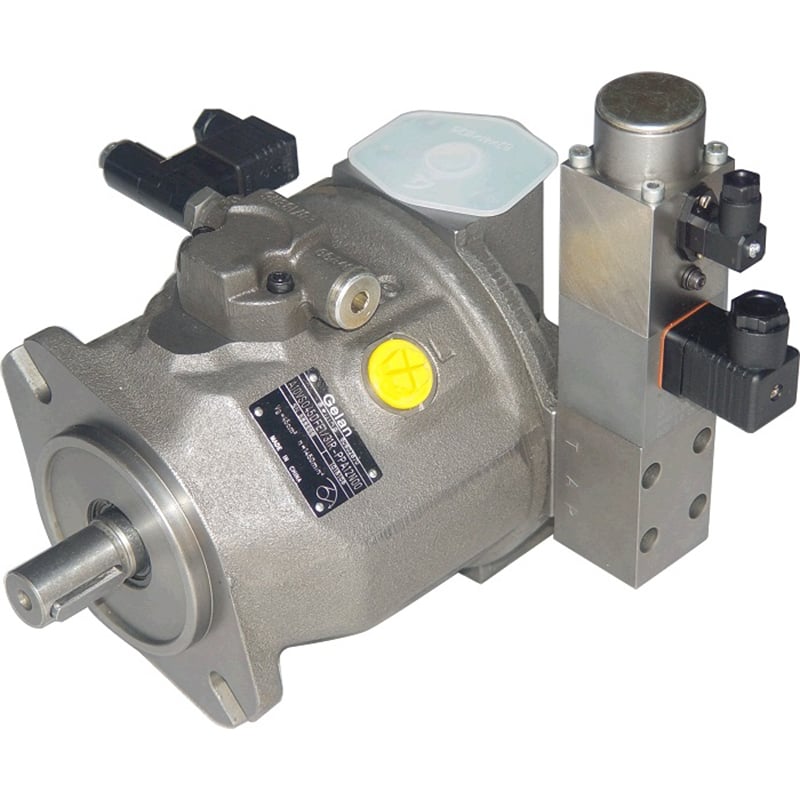
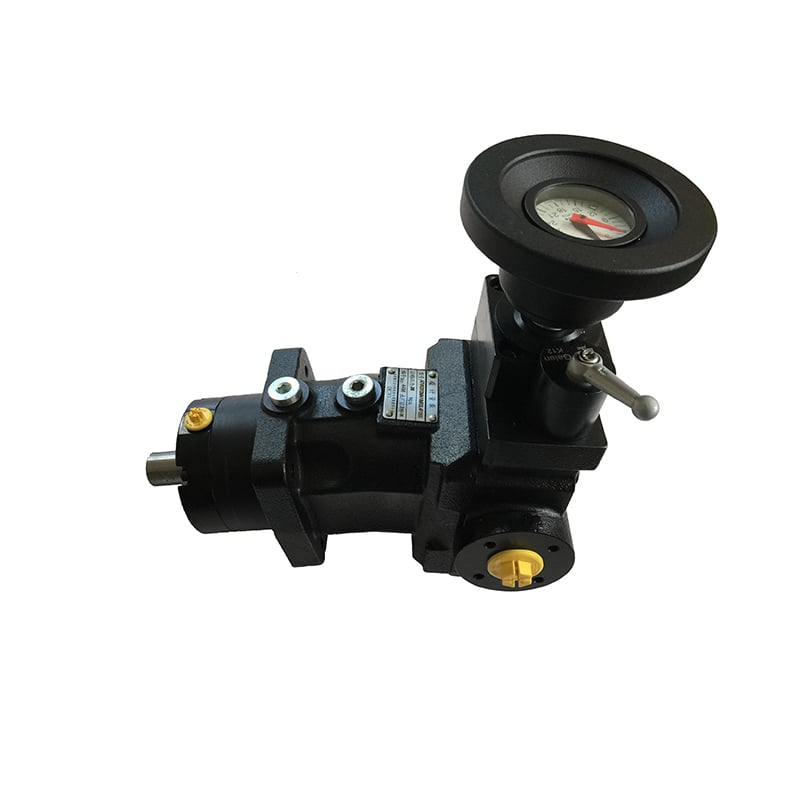
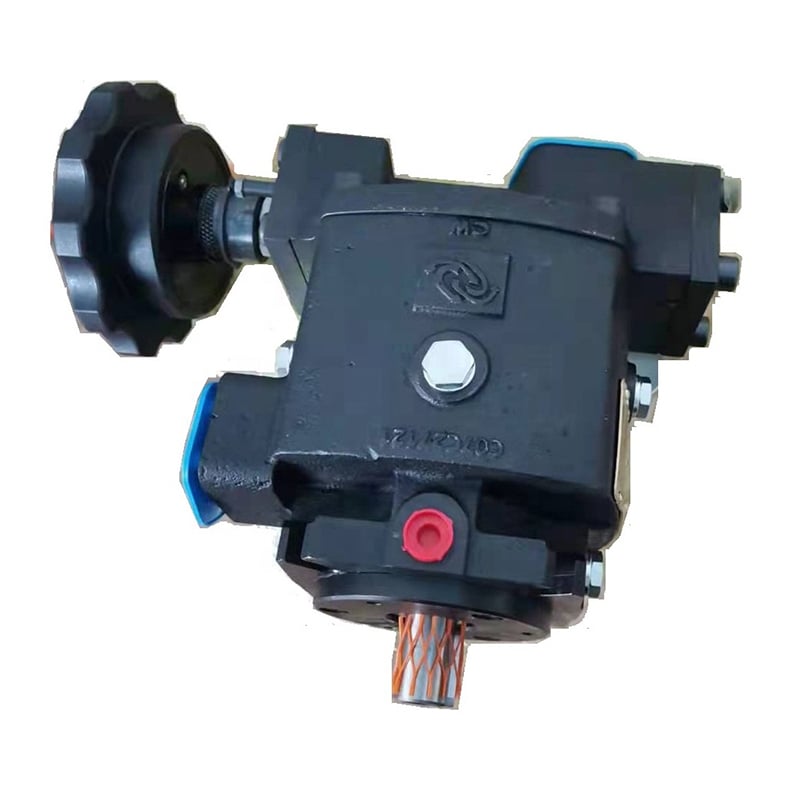
Chemical process pumps play a big role in many industries. They help move liquids from one place to another. This is important for factories that make things like chemicals, food, and medicines. Companies like Gelan create pumps that are built to handle different types of liquids, including strong chemicals. These pumps are made to be strong and last a long time. They work hard to keep everything running smoothly. Without them, many processes would stop, and products would not be made. This is why understanding these pumps is important for anyone involved in industrial work. For specific applications, pumps like the A10VSO Axial piston variable all-purpose open circuit pressure pump 10, 18, 28, 45, 71, 100, 140(cm⁻¹ /rev) are highly valued.
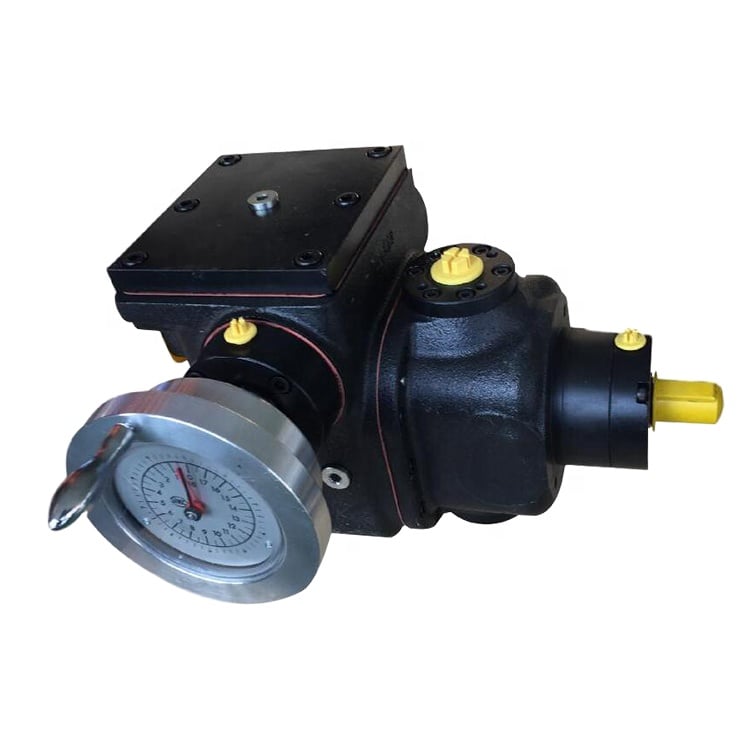
Chemical process pumps have many great benefits for industries. First, they are very reliable. This means they work well without breaking down often. For example, if a factory needs to move a liquid every day, having a pump that doesn’t fail is super important. Another benefit is that they can handle different types of liquids, even those that are very thick or have strong chemicals. This is why many companies choose pumps from Gelan; they know these pumps can handle tough jobs. Safety is also a big reason to use these pumps. They are designed to prevent leaks and spills, which keeps workers safe. If a pump leaks a dangerous chemical, it can create big problems. Gelan's pumps help avoid these situations by being made carefully and tested before being used. Another good thing about chemical process pumps is that they can save time and money. When liquids are moved quickly and safely, production can keep going without big delays. This helps companies make more products faster. Lastly, many pumps today come with smart features. This means they can send alerts if something is wrong. This helps companies fix problems before they become big issues, saving even more time and money. All these benefits make chemical process pumps very important in the manufacturing world, including solutions like the A2V Variable Displacement high pressure Pump 250, 355, 500, 1000.
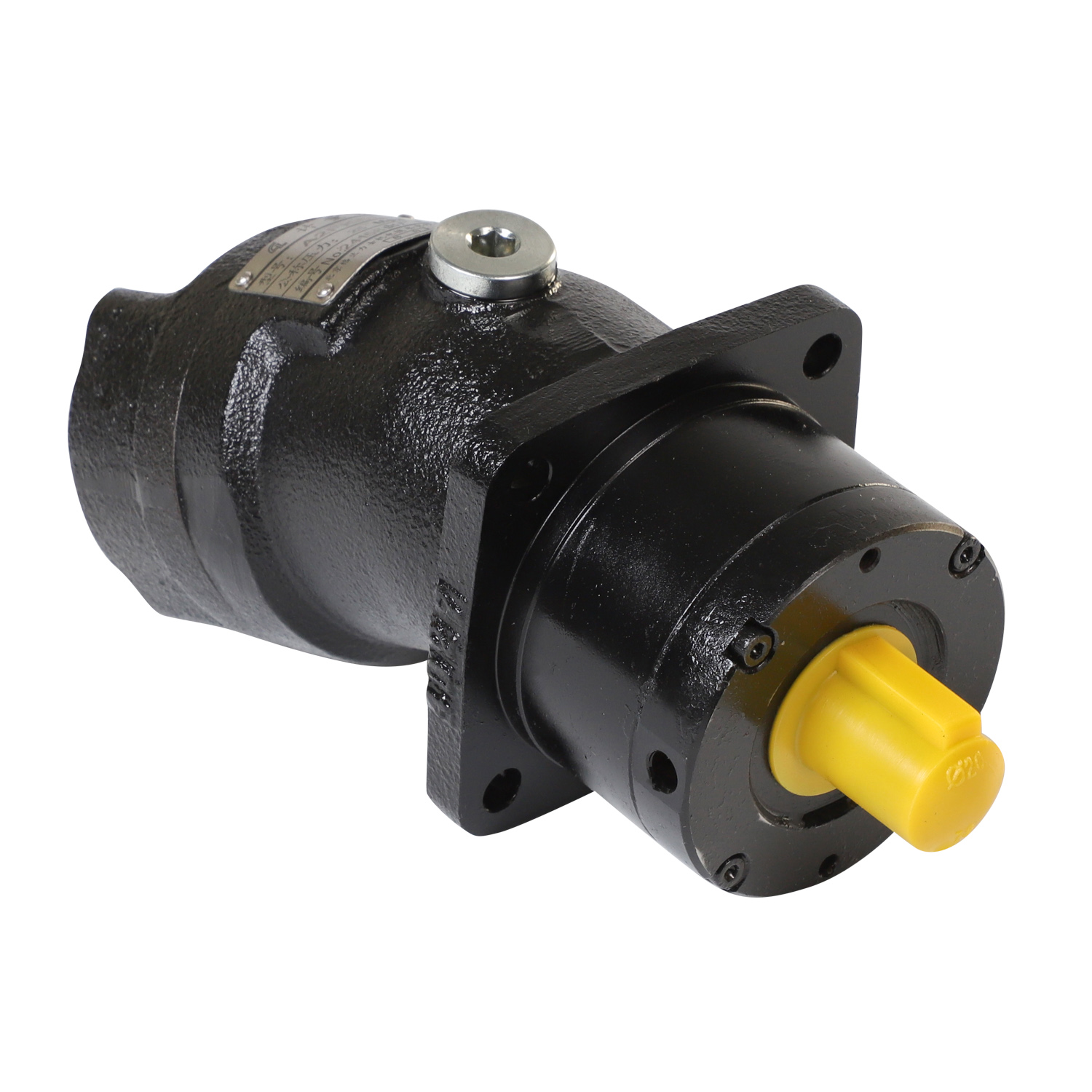
Even though chemical process pumps are very useful, buyers can face some challenges. One of the biggest issues is choosing the right pump. There are many types of pumps, and each one is made for specific tasks. If a buyer picks the wrong pump, it can lead to problems like leaks or the pump not working well. This is why it’s important to get good advice from experts, like those at Gelan, who know what each pump can do. Another issue is the cost. Some pumps can be very expensive, and companies want to make sure they are getting good value for their money. Buyers need to think about how long the pump will last and how much it will cost to maintain it. Sometimes, a cheaper pump might end up costing more in repairs later. Maintenance is another concern. Pumps need regular check-ups to keep them working well. If a company doesn’t have a plan for this, it can lead to bigger problems later on. Lastly, buyers might worry about the pump's compatibility with the liquids they will use. Some pumps can't handle certain chemicals, which can lead to damage or safety issues. This is why understanding the liquids that will go through the pump is essential. Buyers should always talk to the pump manufacturer to ensure they have the right information. By addressing these common issues, companies can find the best solutions for their needs and keep their operations running smoothly.
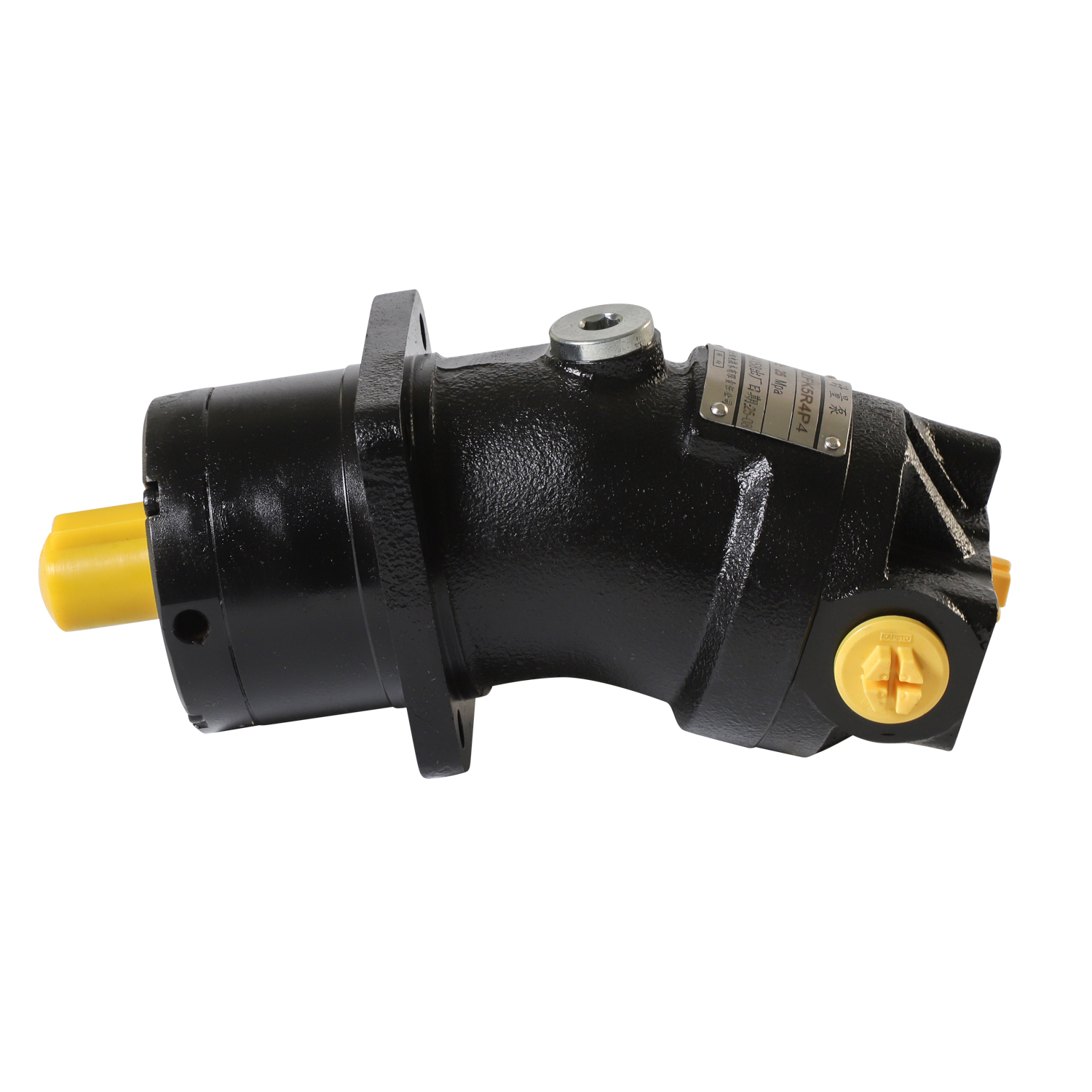
Chemical process pumps play a crucial role in moving dangerous liquids and chemicals in factories and plants. These pumps help transport substances that can be harmful if not handled properly. For example, many chemicals are used to make products like plastics, medicines, and fertilizers. In these industries, it is important to have strong and reliable pumps that can handle these materials safely. If a pump fails or leaks, it can cause dangerous spills that harm people and the environment. That’s why companies like Gelan focus on designing pumps specifically for these hazardous materials. These pumps are built to be tough and can resist the corrosive effects of strong chemicals. They are also designed to keep leaks from happening, which is very important for safety. Chemical process pumps are often made with special materials that do not react with the chemicals they are moving. This helps to prevent any unwanted chemical reactions that could lead to accidents. Additionally, these pumps are equipped with features that allow them to handle high pressures and temperatures, which is common when dealing with hazardous materials. Overall, chemical process pumps are essential tools in industries that work with dangerous substances. They help ensure that operations run smoothly and safely, protecting workers and the environment.
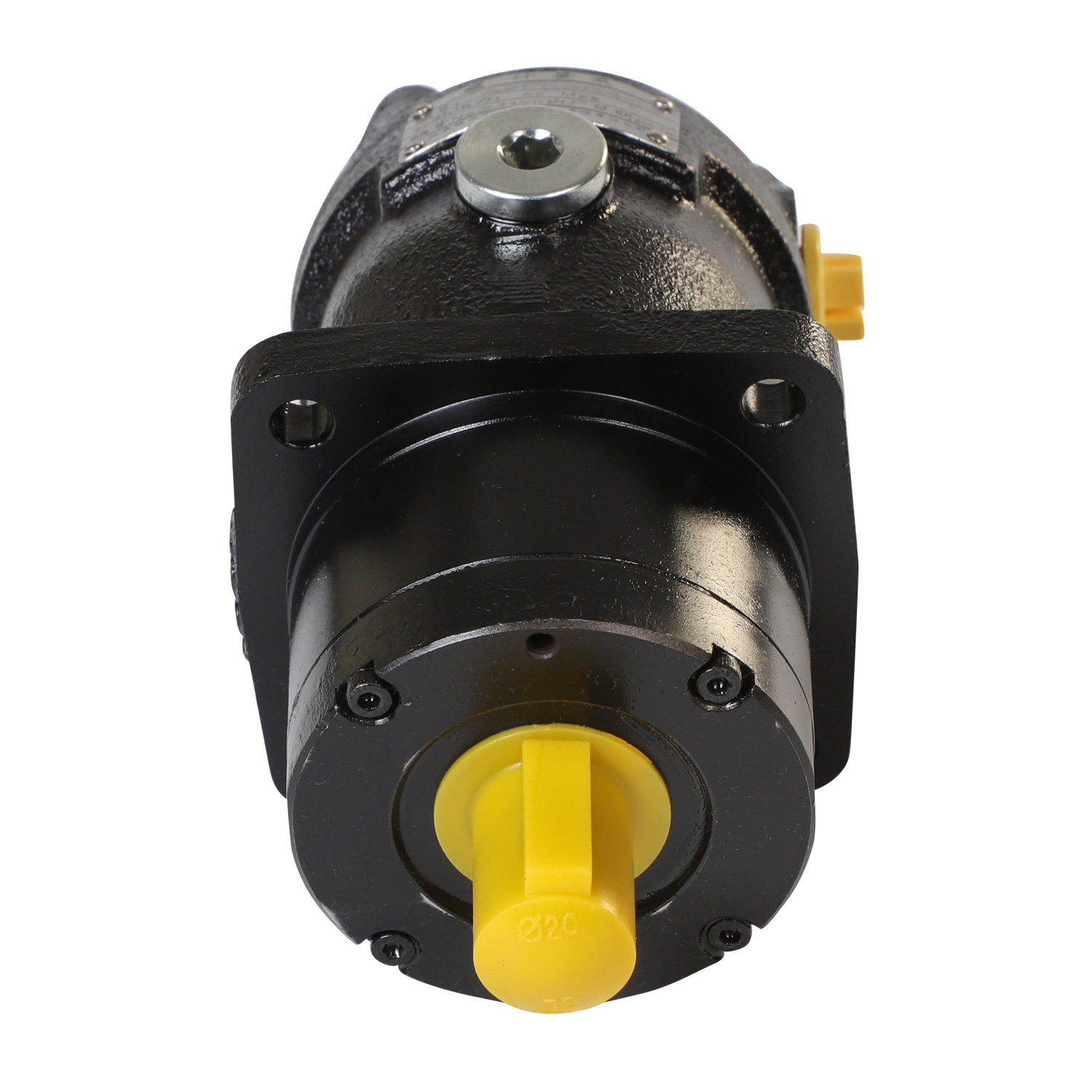
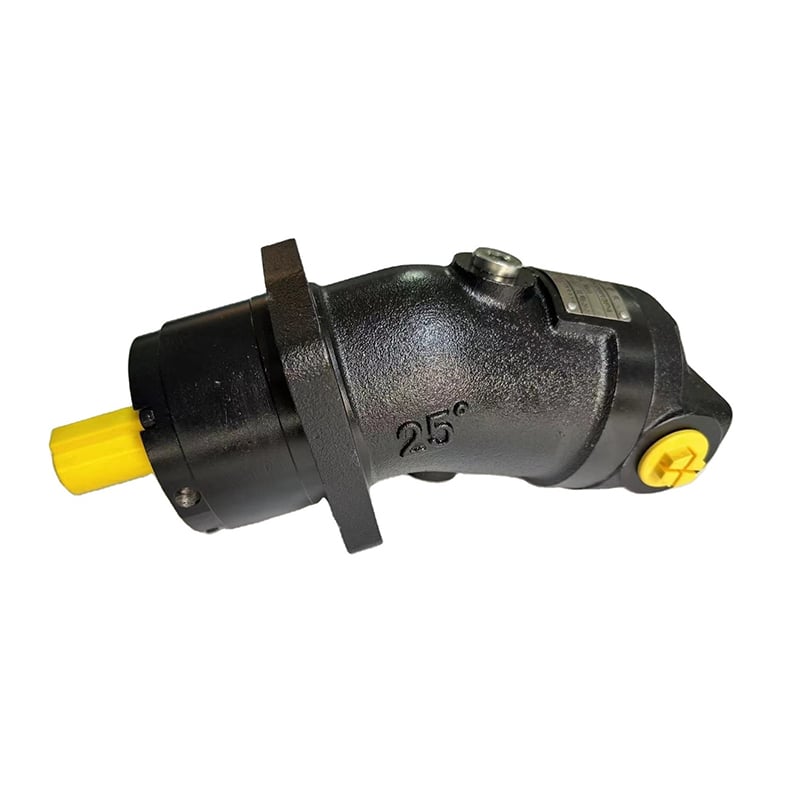
Taking care of chemical process pumps is very important to keep them working well and safely. Regular maintenance helps to spot problems before they become big issues. Companies like Gelan recommend creating a maintenance schedule that includes checking the pumps at regular intervals. One key part of maintenance is to inspect the seals and gaskets. These parts are crucial because they prevent leaks. If they wear out, they need to be replaced quickly to avoid spills. Another important maintenance task is cleaning the pumps. Over time, chemicals can build up inside the pumps, which can slow them down or even damage them. Cleaning helps the pumps run better and last longer. It is also important to check the pump’s motor and other moving parts. Lubrication is necessary to keep everything running smoothly. If parts are not lubricated, they can wear out quickly or even break down. Companies should also keep an eye on the pump's performance. If a pump starts to make strange noises or vibrates more than usual, it could be a sign of a problem. Listening to these warning signs can help catch issues early. Training staff to understand how to properly maintain and operate the pumps is also vital. When everyone knows how to care for the pumps, it reduces the risk of accidents and improves safety. By following these maintenance tips, companies can ensure their chemical process pumps work effectively for a long time, keeping their operations safe and efficient, especially using reliable models such as the A2F piston fixed flow pump/motor for demanding mobile hydraulics 2.5, 5, 10, 12, 28.
Copyright © Beijing Gelan M&E Technology Co., Ltd. All Rights Reserved.
 EN
EN